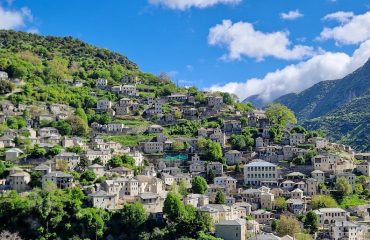
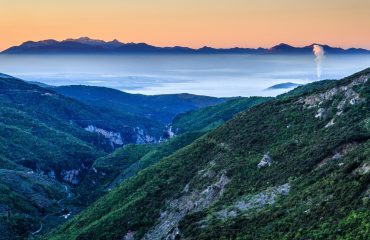
Italy has a way of unfolding slowly in front of you. It’s a country where every region feels like its own world, shaped by centuries of history, yet still very much alive in the present. One moment you’re surrounded by ancient stone ruins and bustling piazzas, the next you’re walking through quiet countryside where vineyards roll endlessly across soft hills, and then suddenly you’re standing above dramatic cliffs looking out over a deep blue sea. My last trip there, was all about moving through those contrasts on foot, experiencing the country at a slower pace, one trail, one village, one landscape at a time.
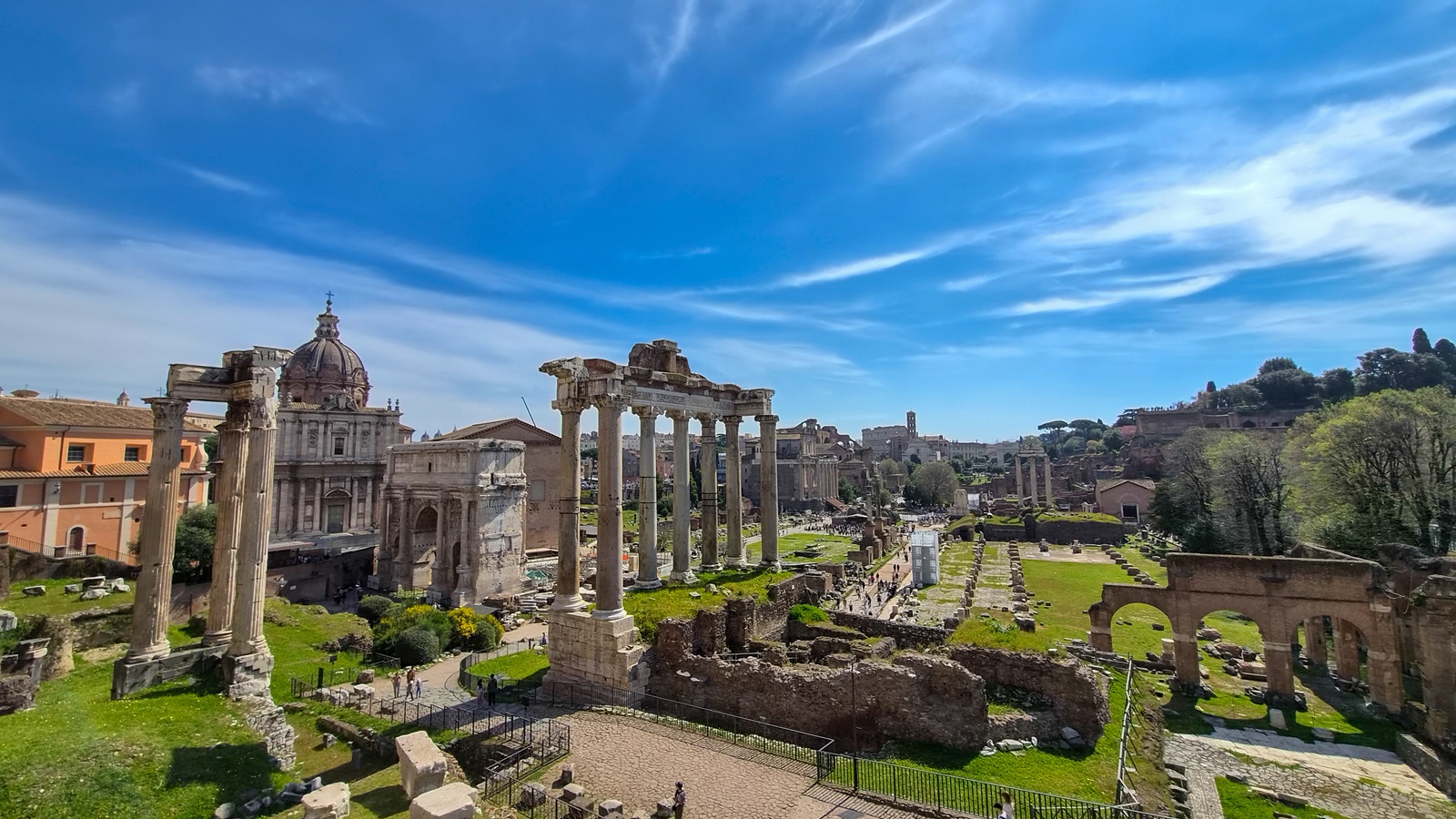
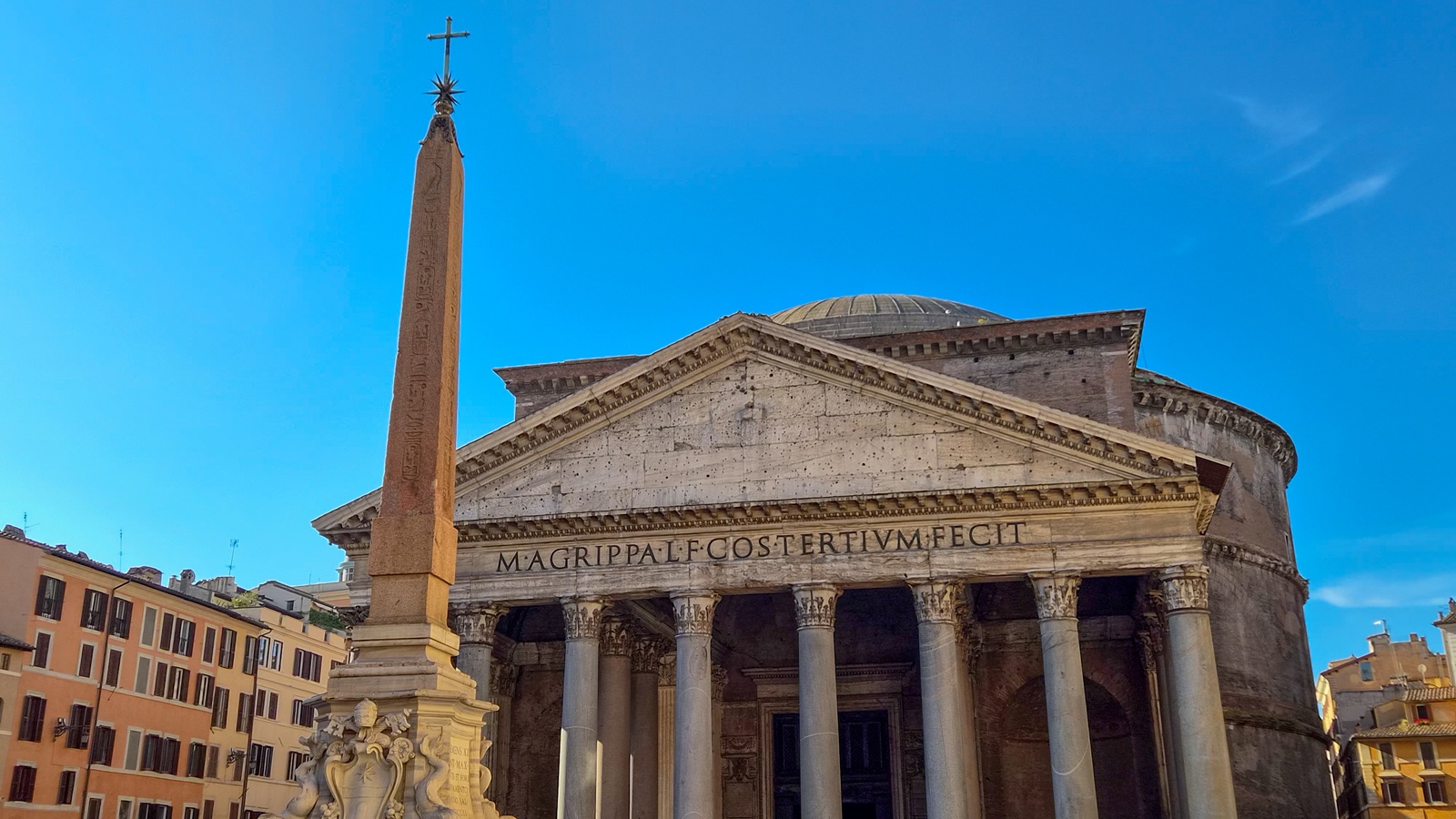
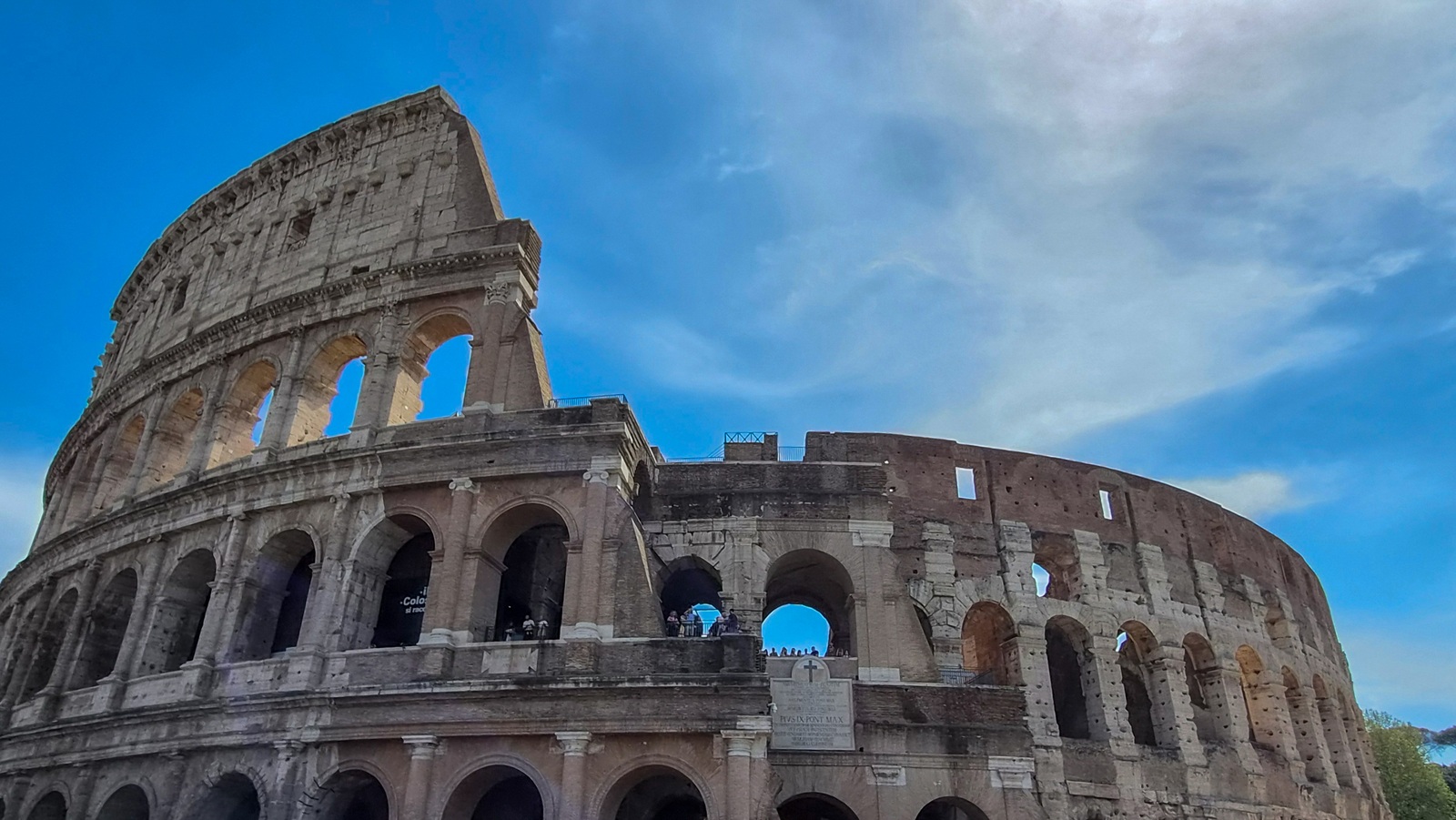
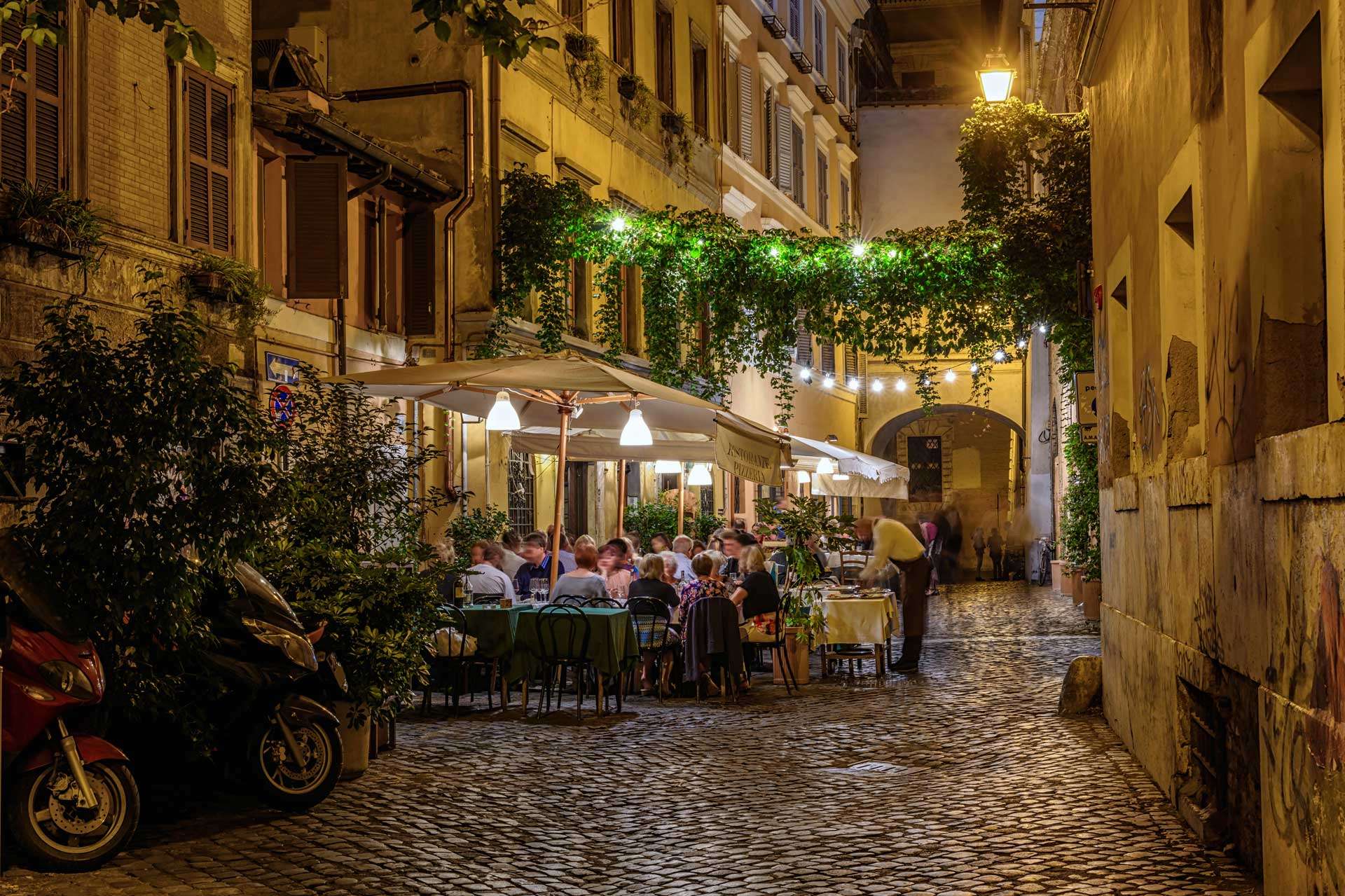
We began our journey in Rome, where ancient history and modern life exist side by side. Our first evening was spent at a welcome dinner, easing into the rhythm of the trip with hearty Italian dishes and a first taste of Roman flavors. The next day was dedicated to exploring its ancient core. Walking through the Roman Forum felt like stepping into another era entirely, where crumbling columns, stone pathways, and vast ruins still carry the weight of what once was. It’s hard not to pause constantly here, trying to imagine the life that once filled these spaces.
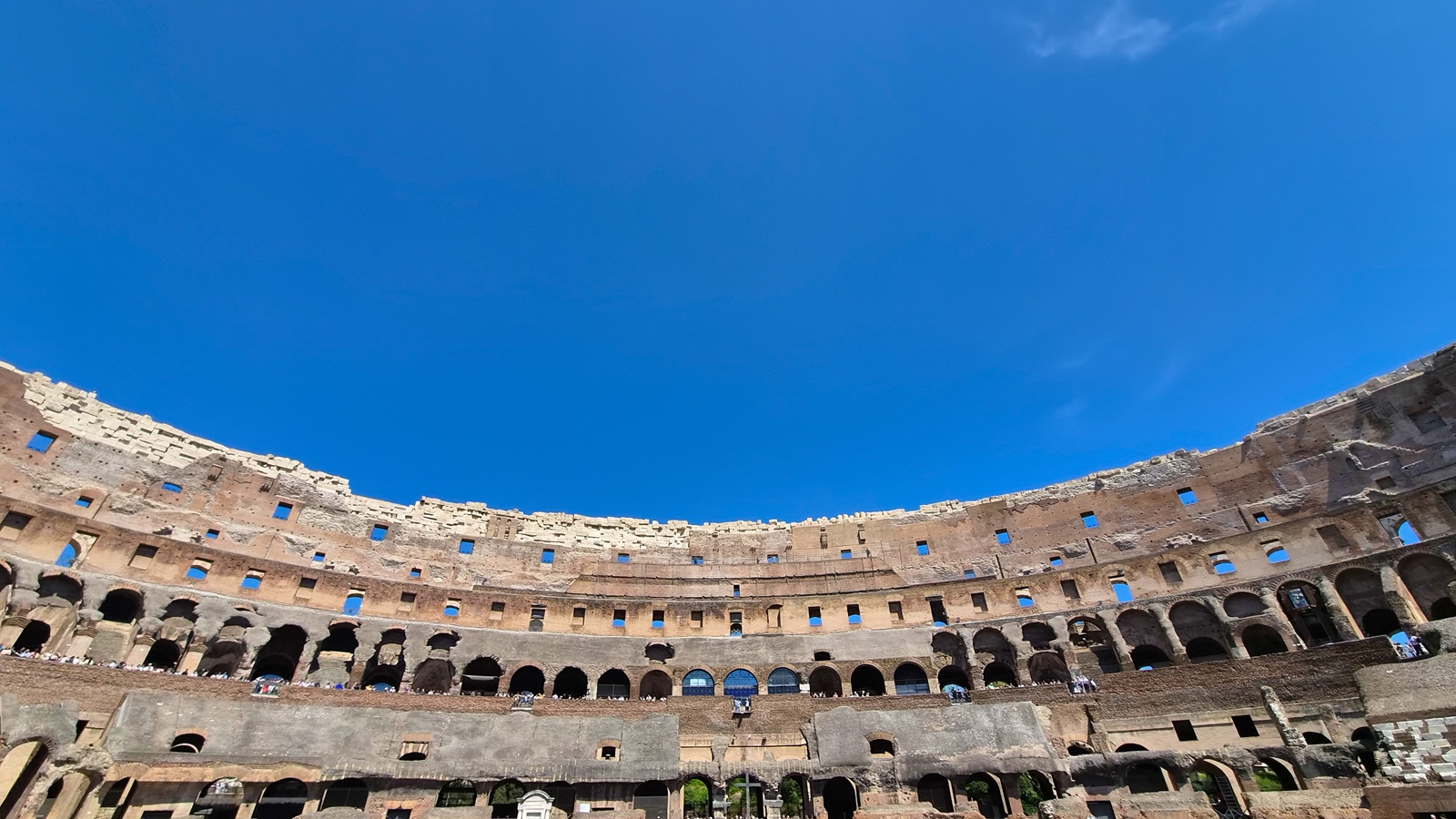
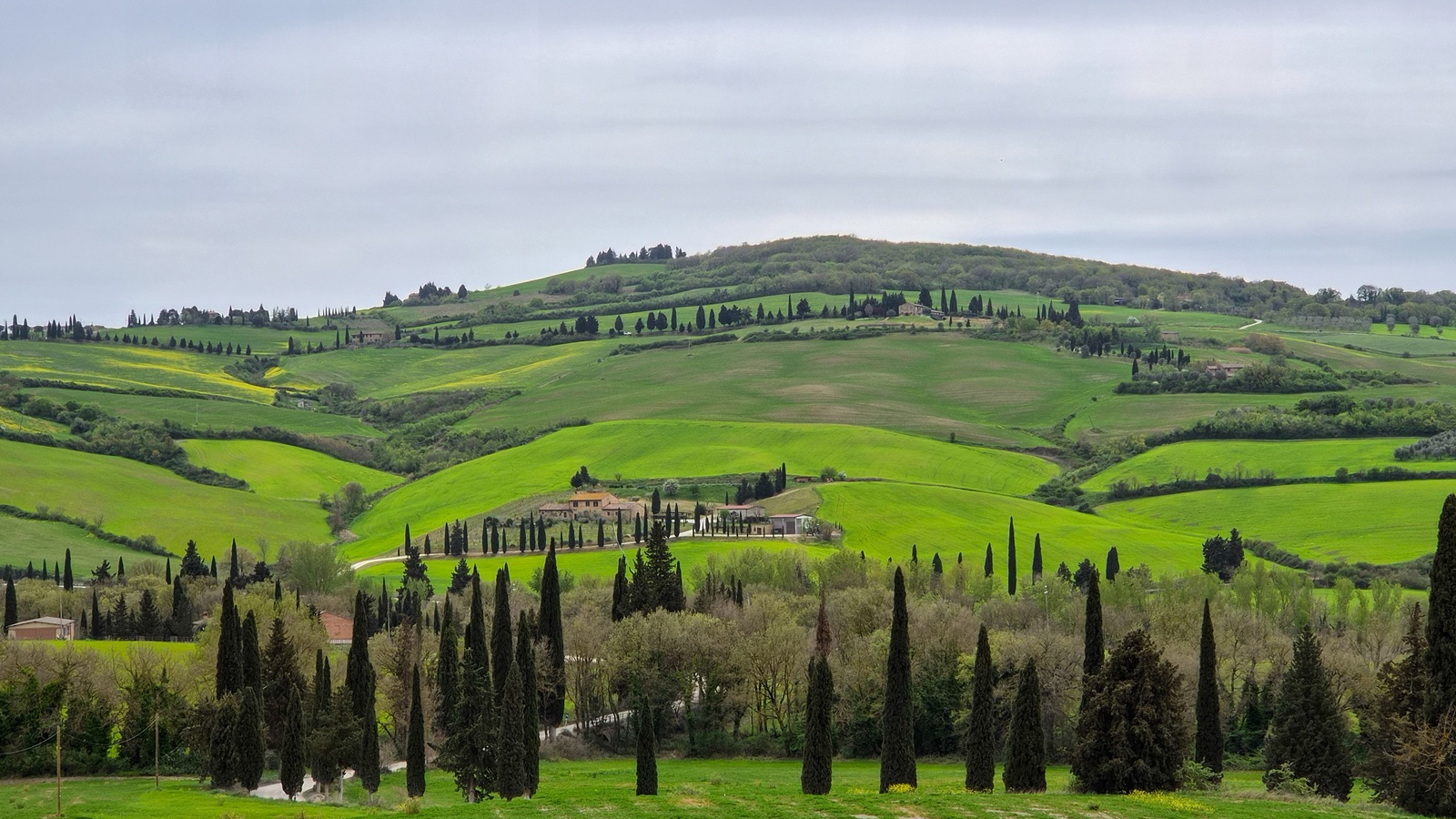
By the afternoon, we left the capital behind and headed north into the countryside. The transition was immediate, from urban intensity to open landscapes. Our destination was Pienza, a small Renaissance town perched above the rolling Val d’Orcia. The air felt different there, quieter somehow, and the views stretched endlessly in every direction. It was the perfect place to begin the hiking portion of the journey.
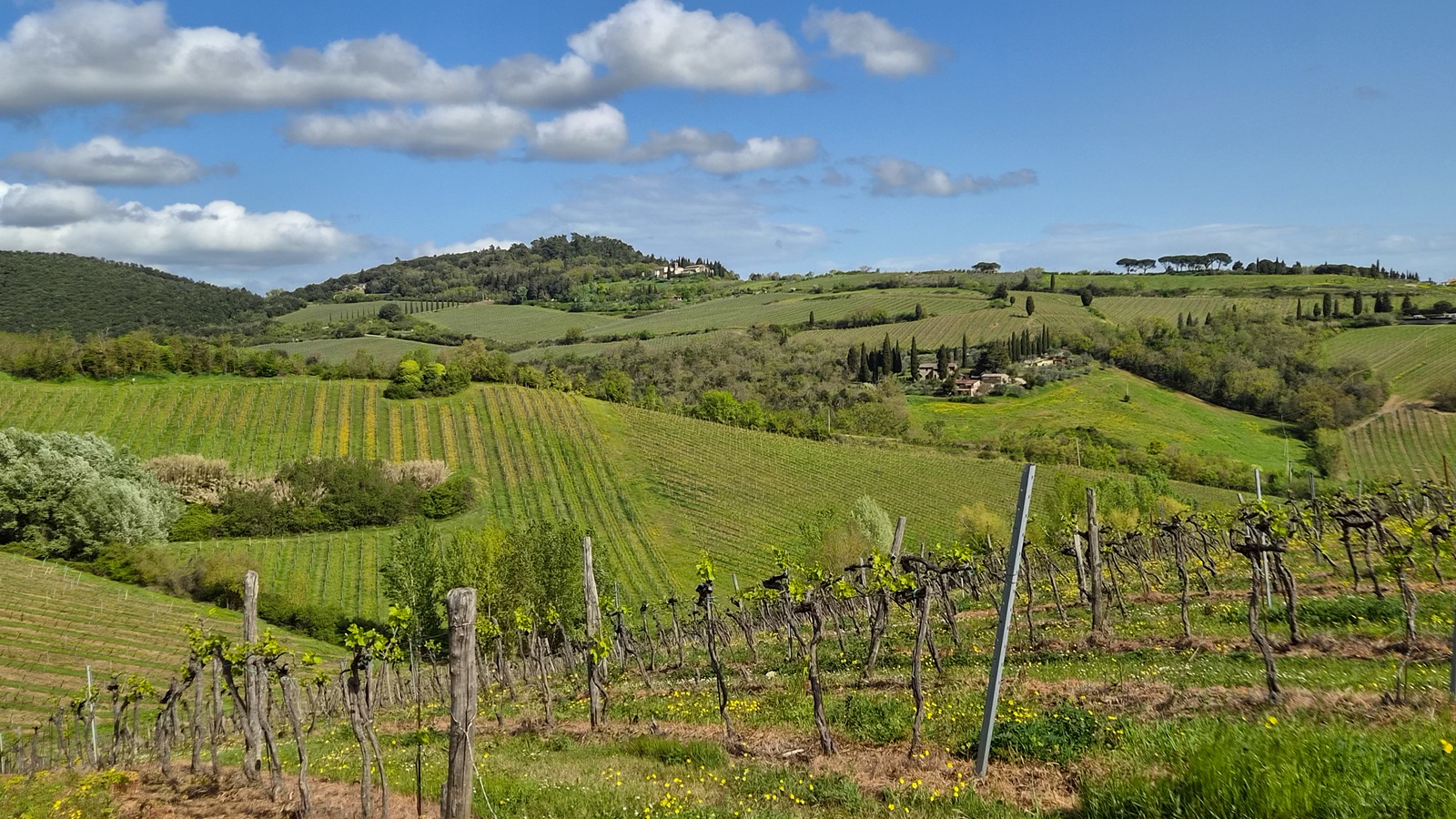
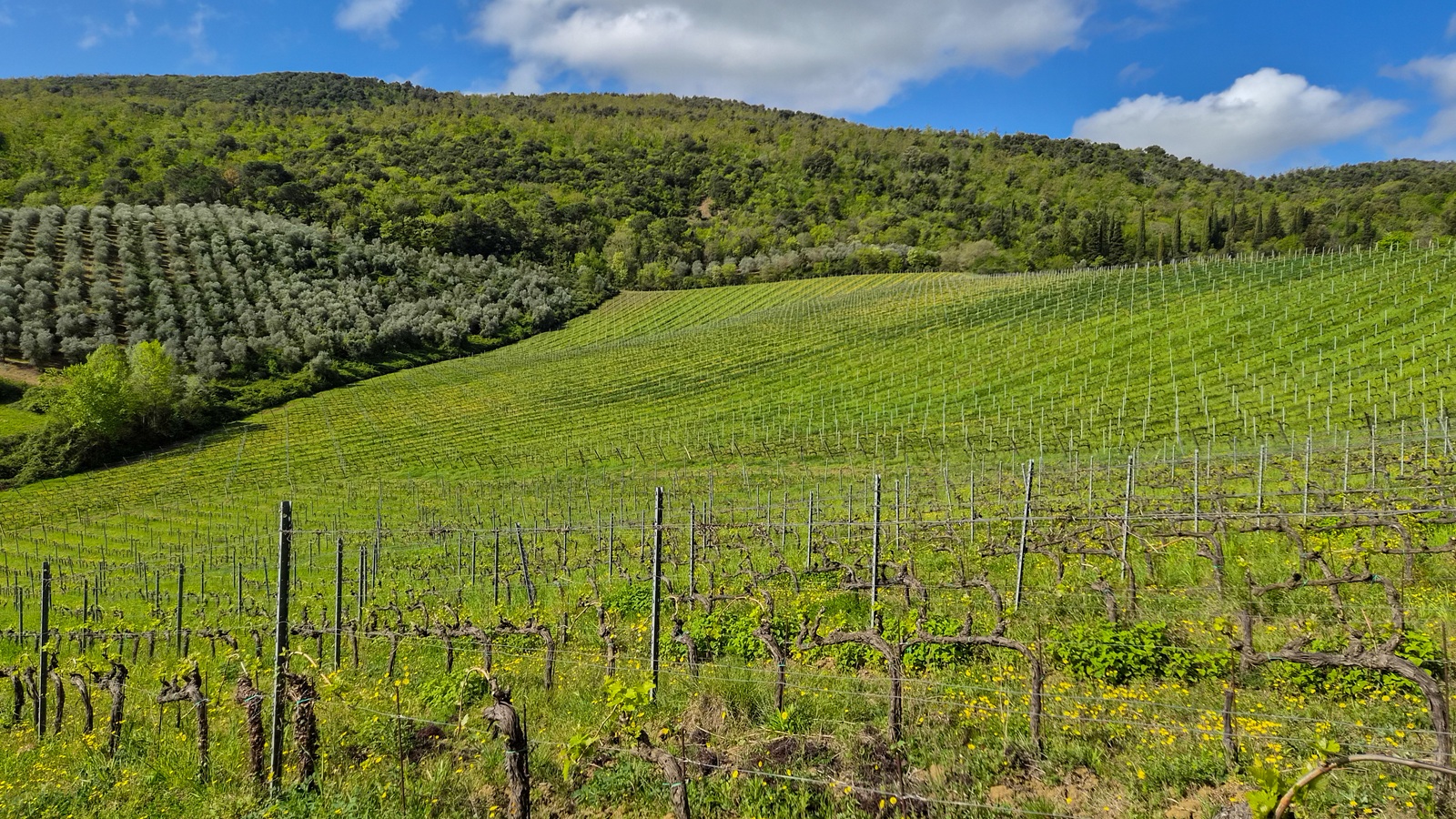
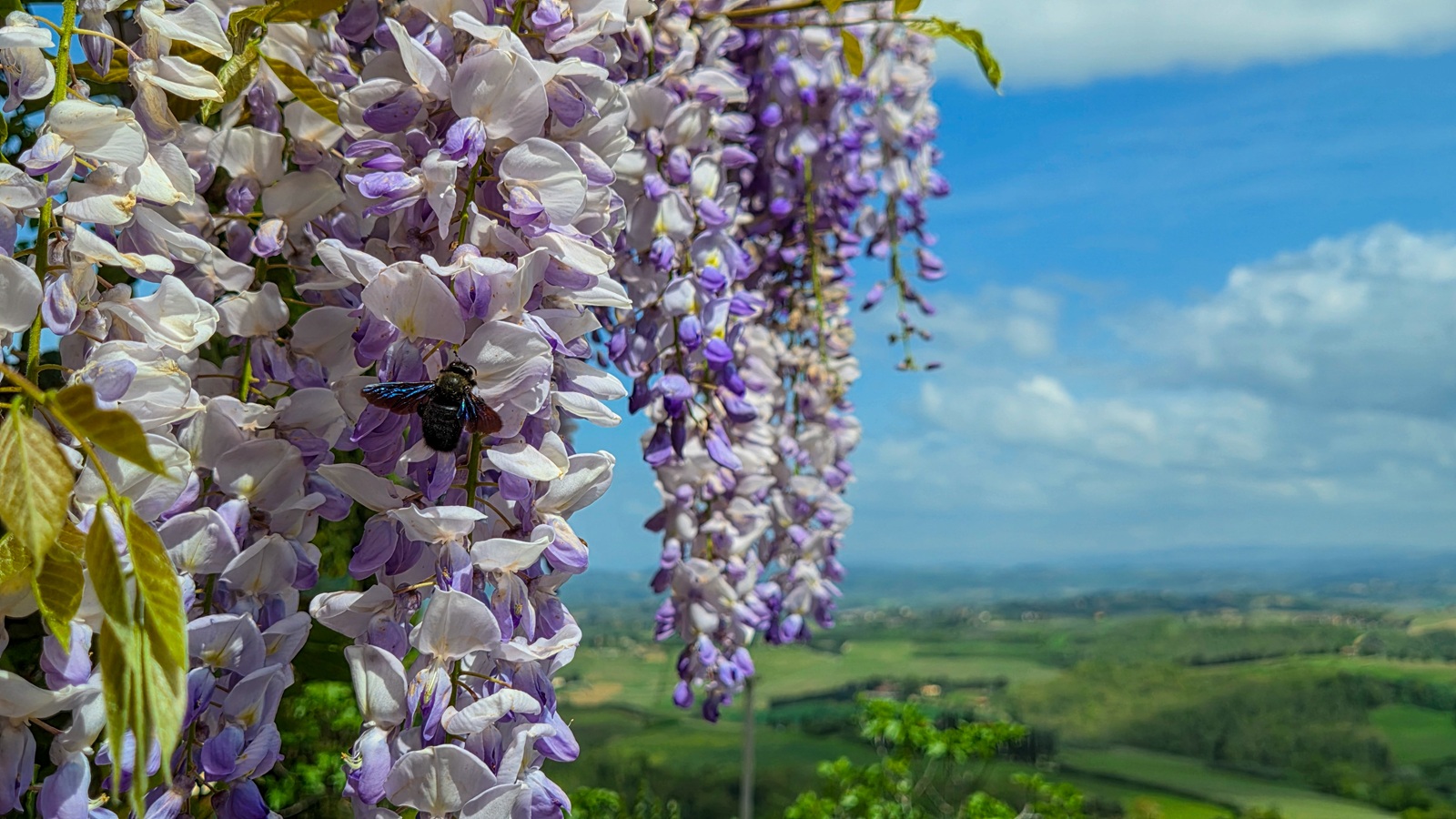
The following morning, we set out on our first hike through the surrounding countryside. The trails wound through gentle hills, past rows of cypress trees, olive groves, and vineyards that seemed to follow the shape of the land itself. Every turn revealed another postcard-like view, the kind of landscape that doesn’t feel real until you’re standing in the middle of it.
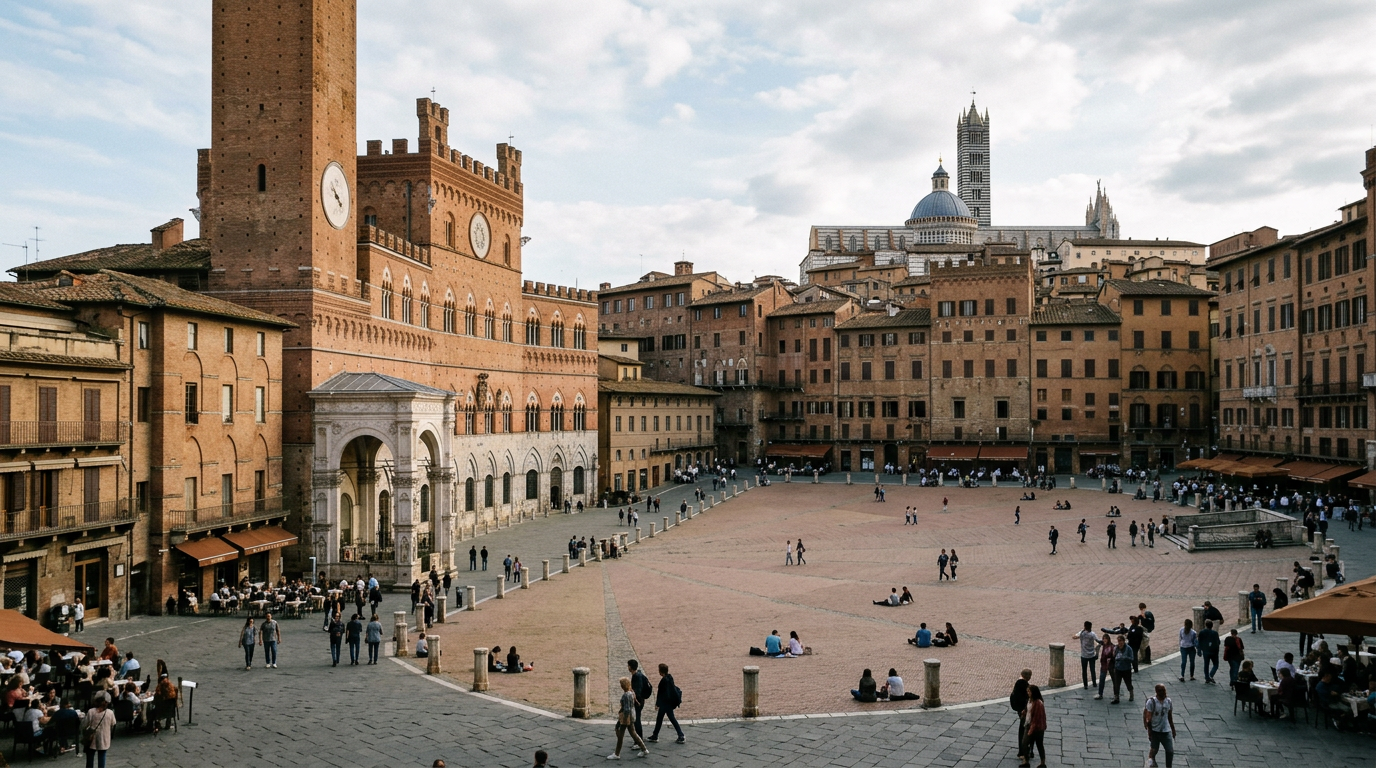
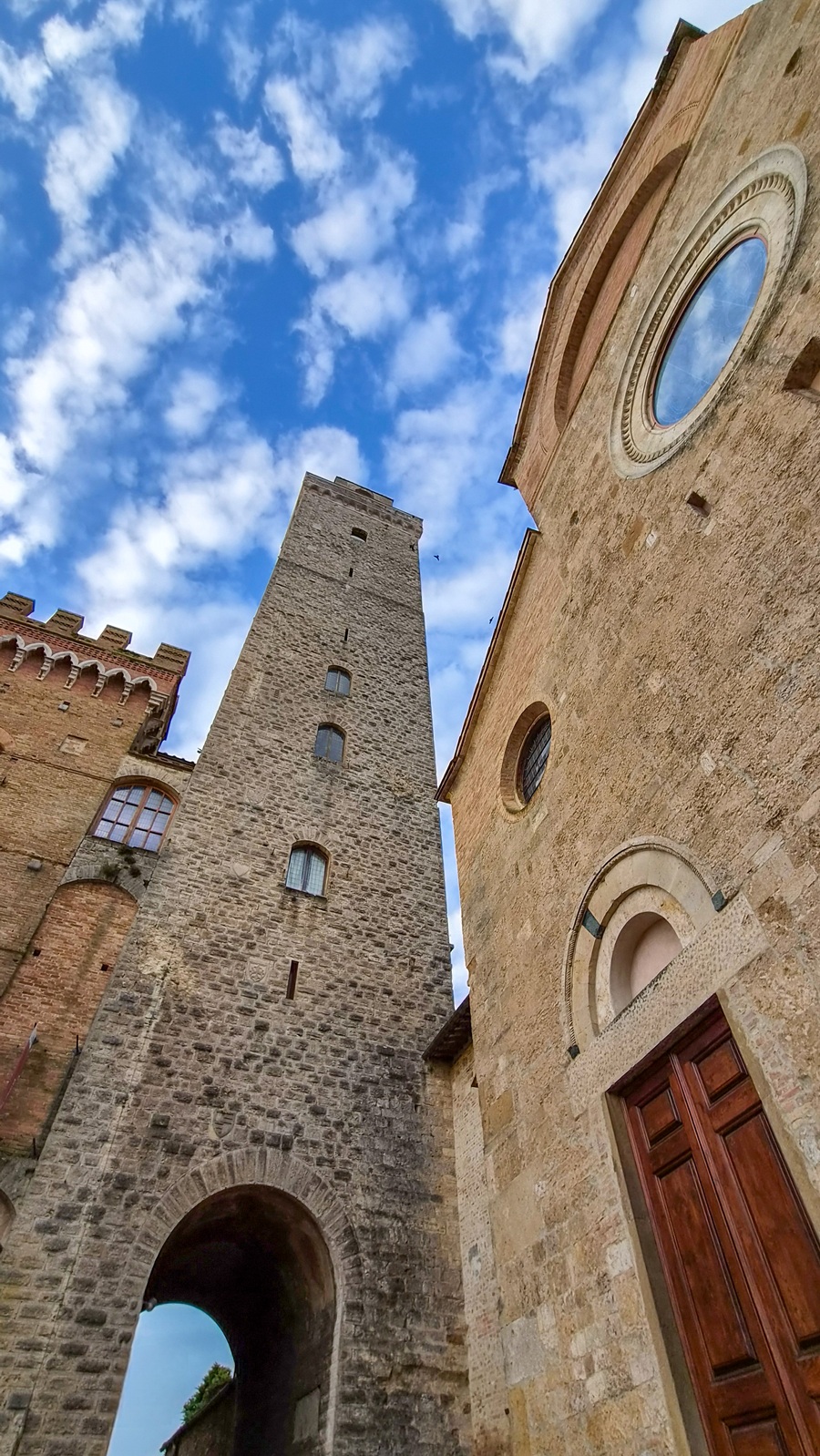
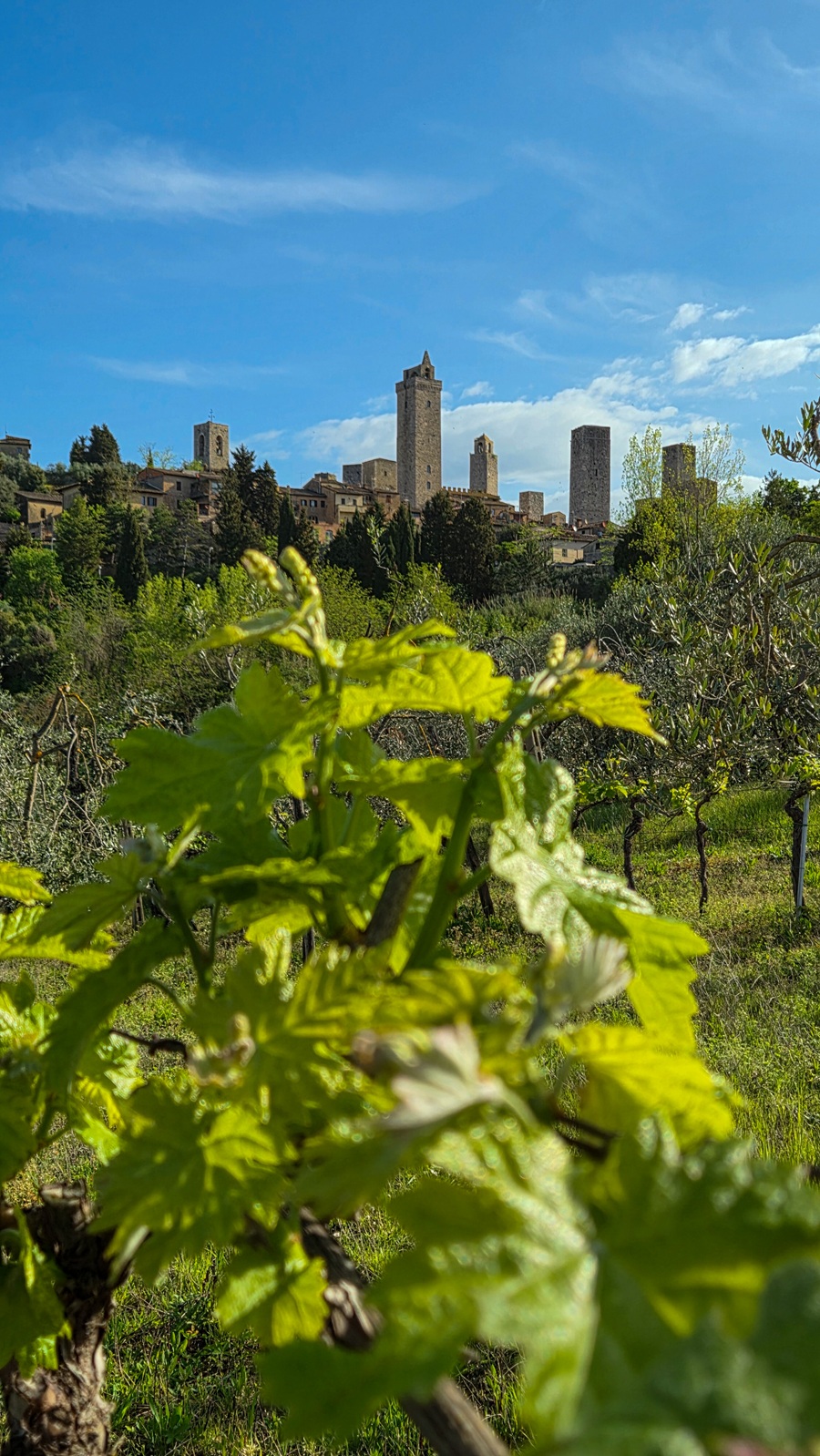
From there, we continued north, stopping in Siena along the way. Siena has a completely different energy, more enclosed, more medieval, with narrow streets that twist and open suddenly into grand squares like Piazza del Campo, which serves as the cultural and social heart of the city. There, twice a year, the Palio di Siena takes place, a famous horse race in which the historic districts of the city compete in a long-standing and deeply rooted rivalry. After spending time there, we made our way to San Gimignano, instantly recognizable by its skyline of stone towers rising above the surrounding hills.
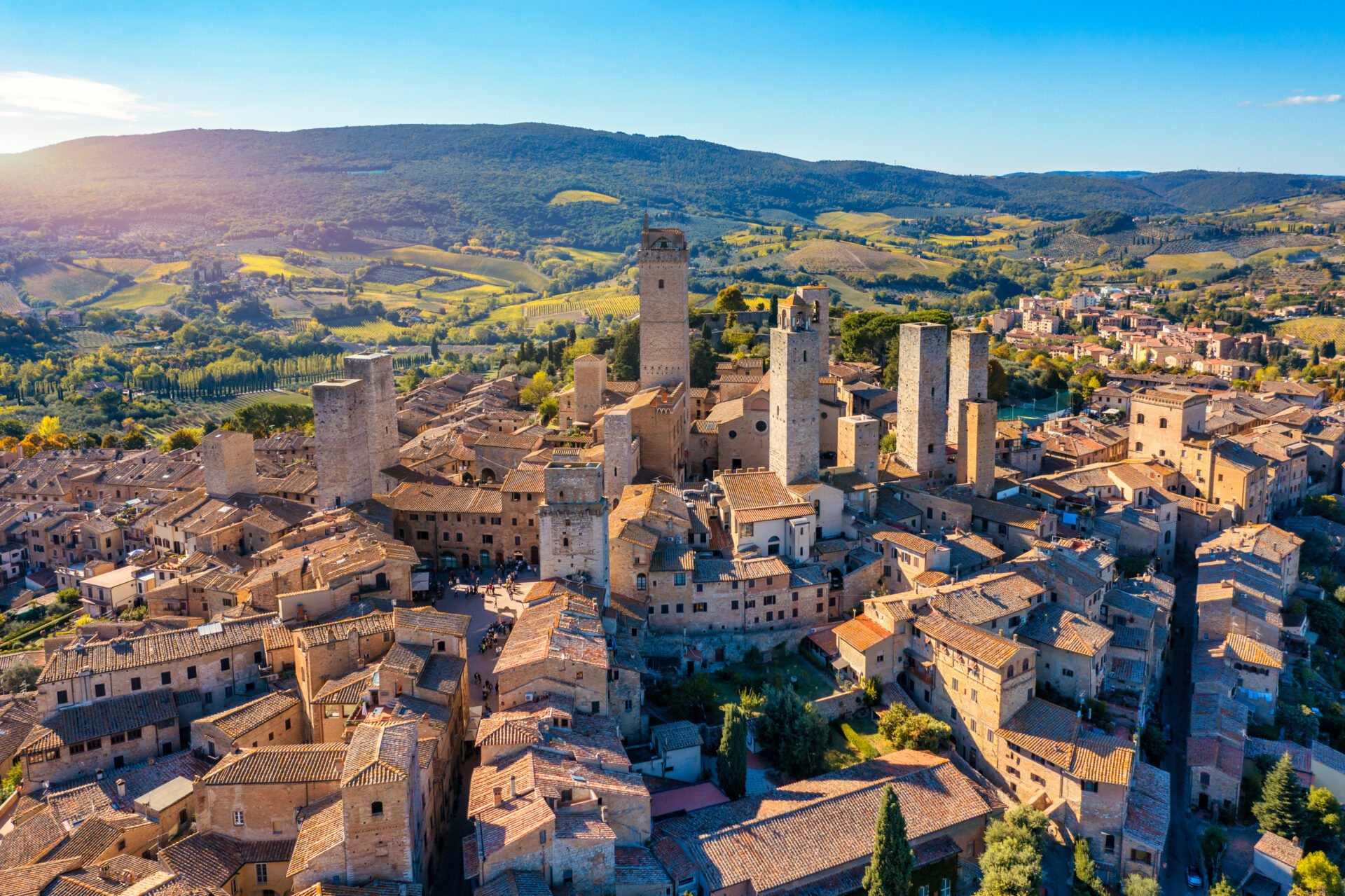
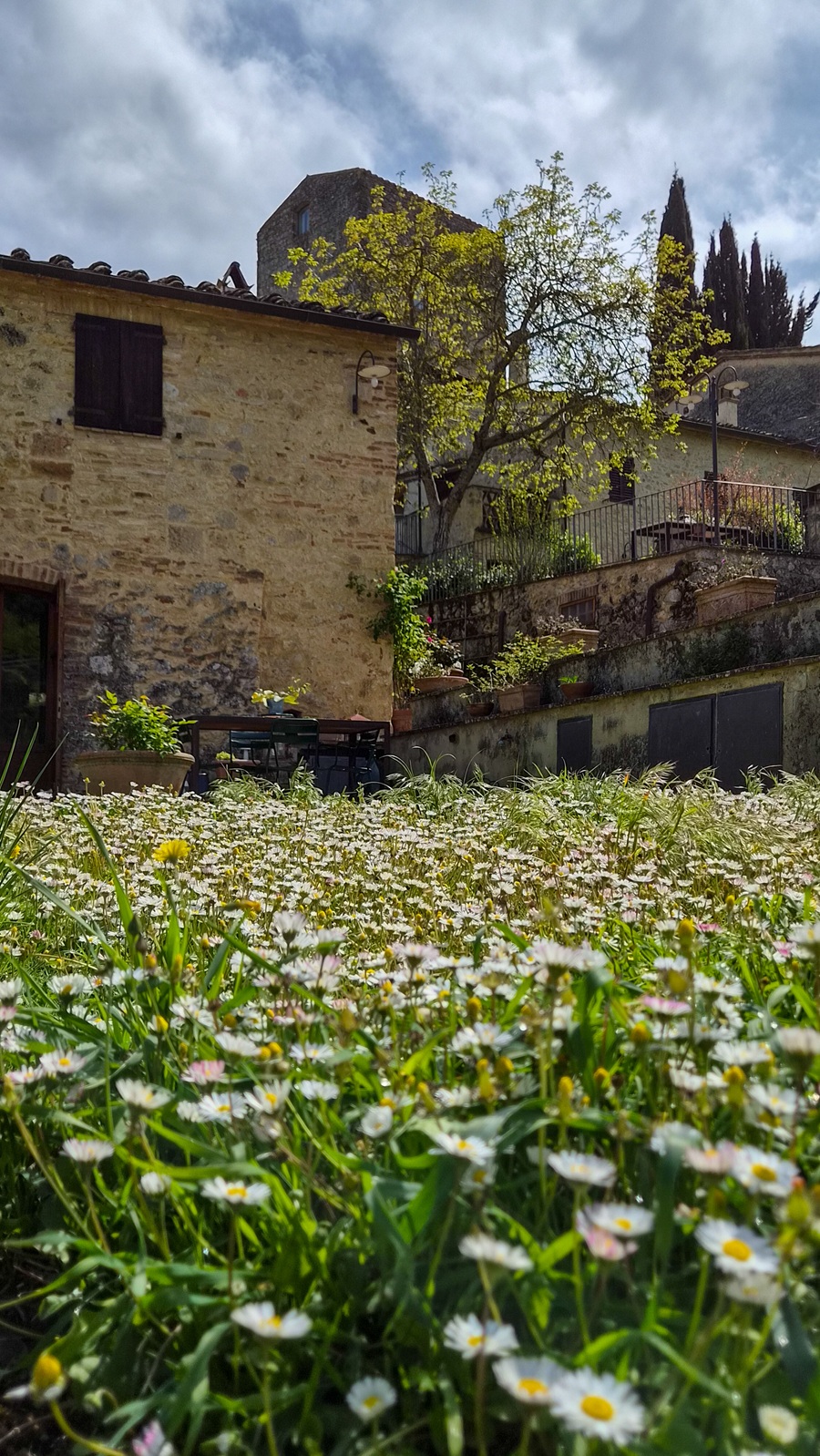
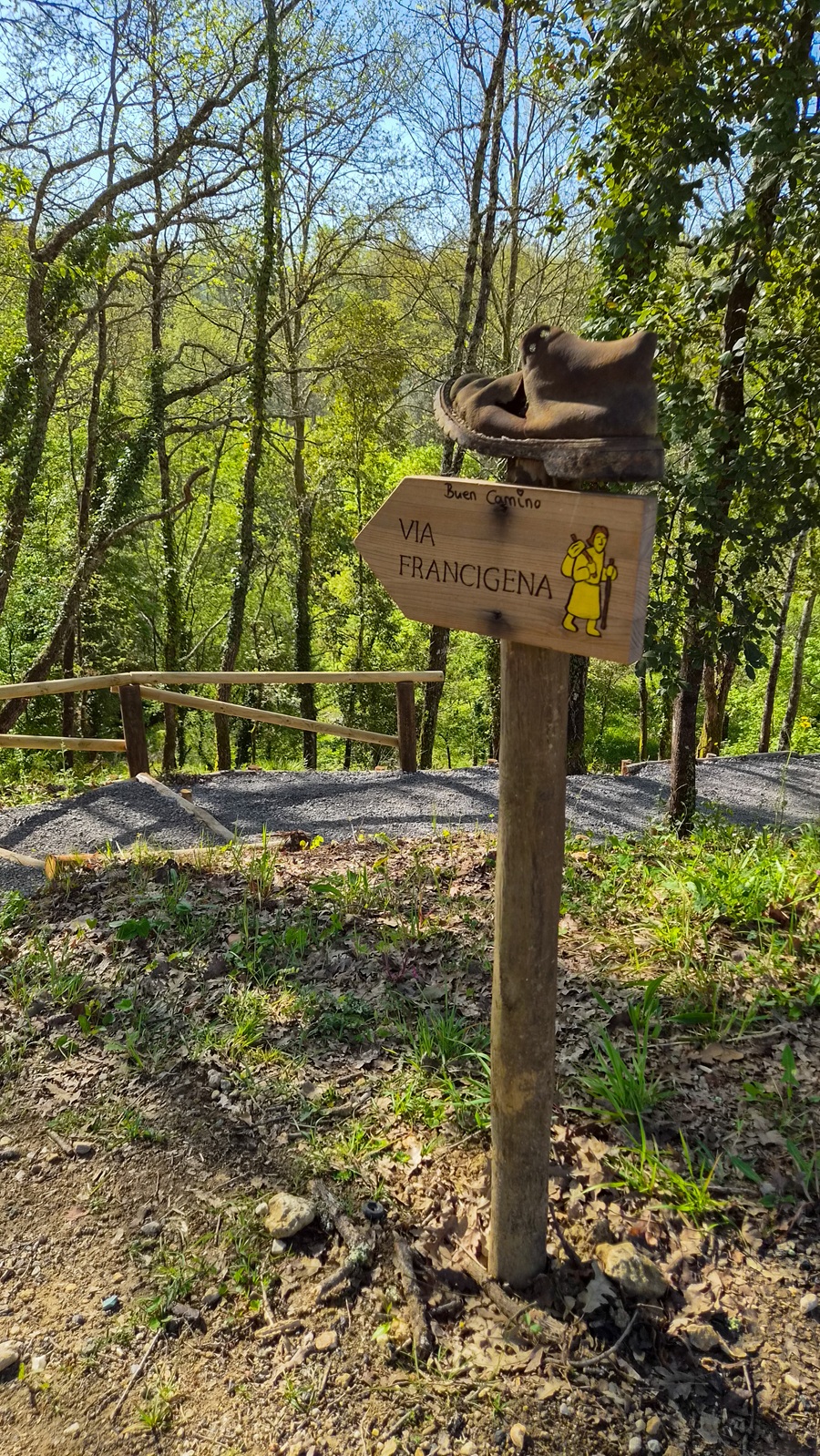
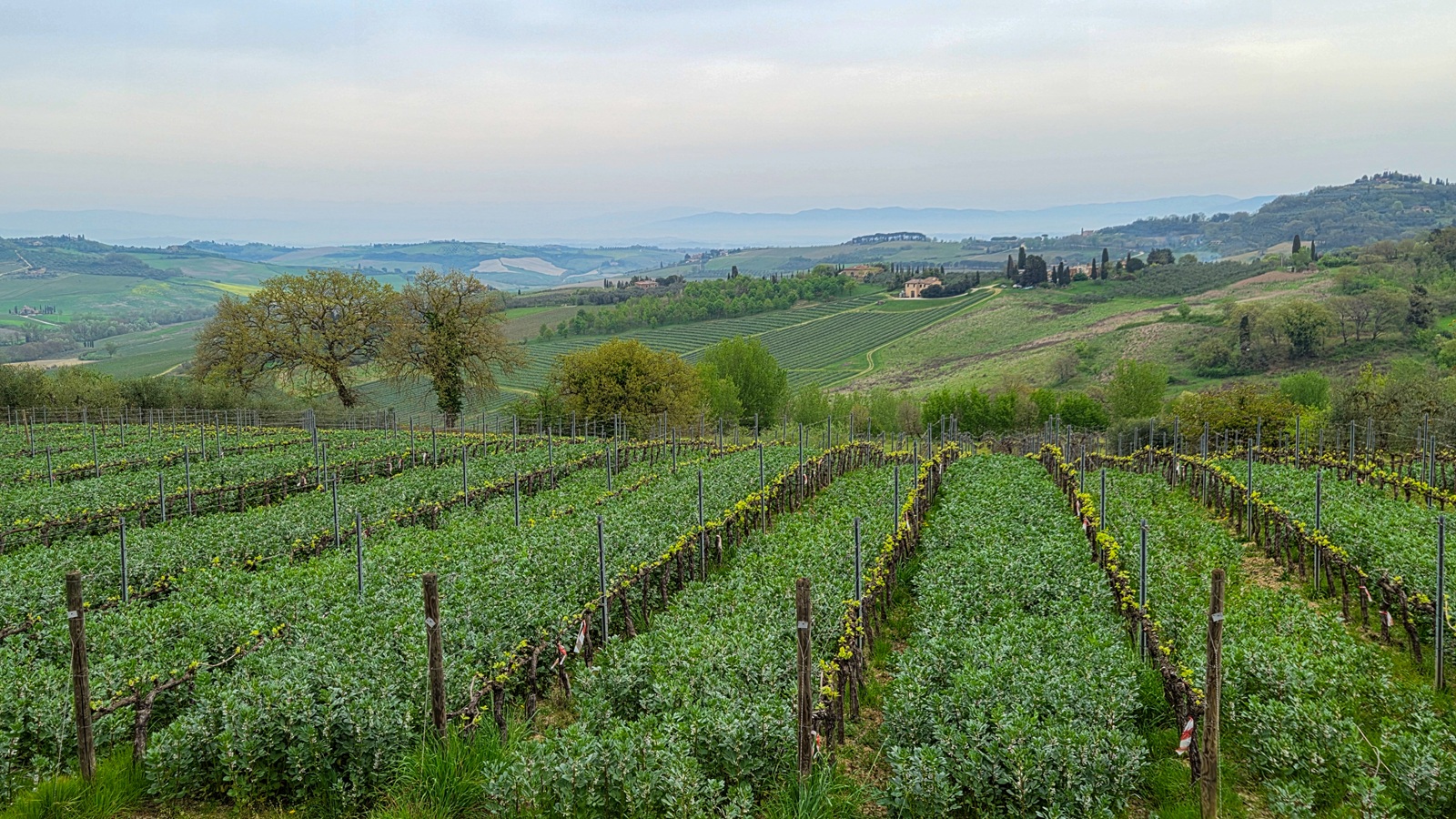
We spent two nights in San Gimignano, using it as a base to explore the countryside on foot. The hike here waw softer and more rhythmic, paths cutting through vineyards, small farms, and open fields, always with the silhouette of the towers visible in the distance. During our stay, we also visited a local winery, where we learned about the region’s long winemaking tradition and tried several local wines, including crisp Vernaccia di San Gimignano, the area’s signature white wine known for its dry, mineral character and fresh citrus notes, along with a few fuller-bodied reds typical of Tuscany, all reflecting the simplicity and depth of the local terroir.
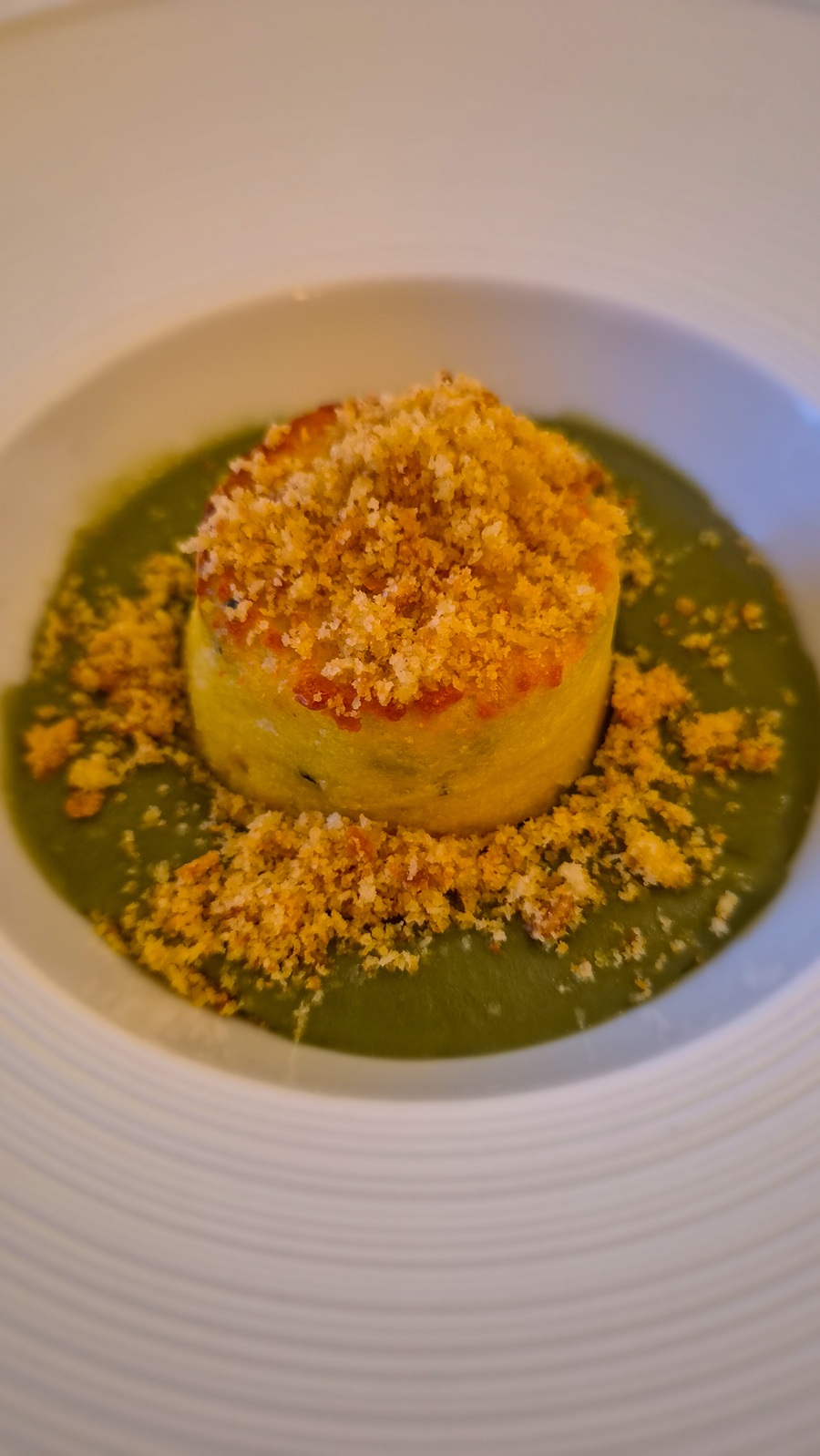
Food was an important part of the trip throughout Italy. In Rome, we had traditional dishes like pasta and regional classics that introduced us to Roman cuisine. In Tuscany, meals were closely tied to the land, often paired with local wines and simple, seasonal dishes. Along the coast in Cinque Terre, seafood became a highlight, with fresh fish and straightforward preparations that reflected the seaside setting. Each region had its own specialties, and trying them along the way added another layer to the experience of traveling through Italy.
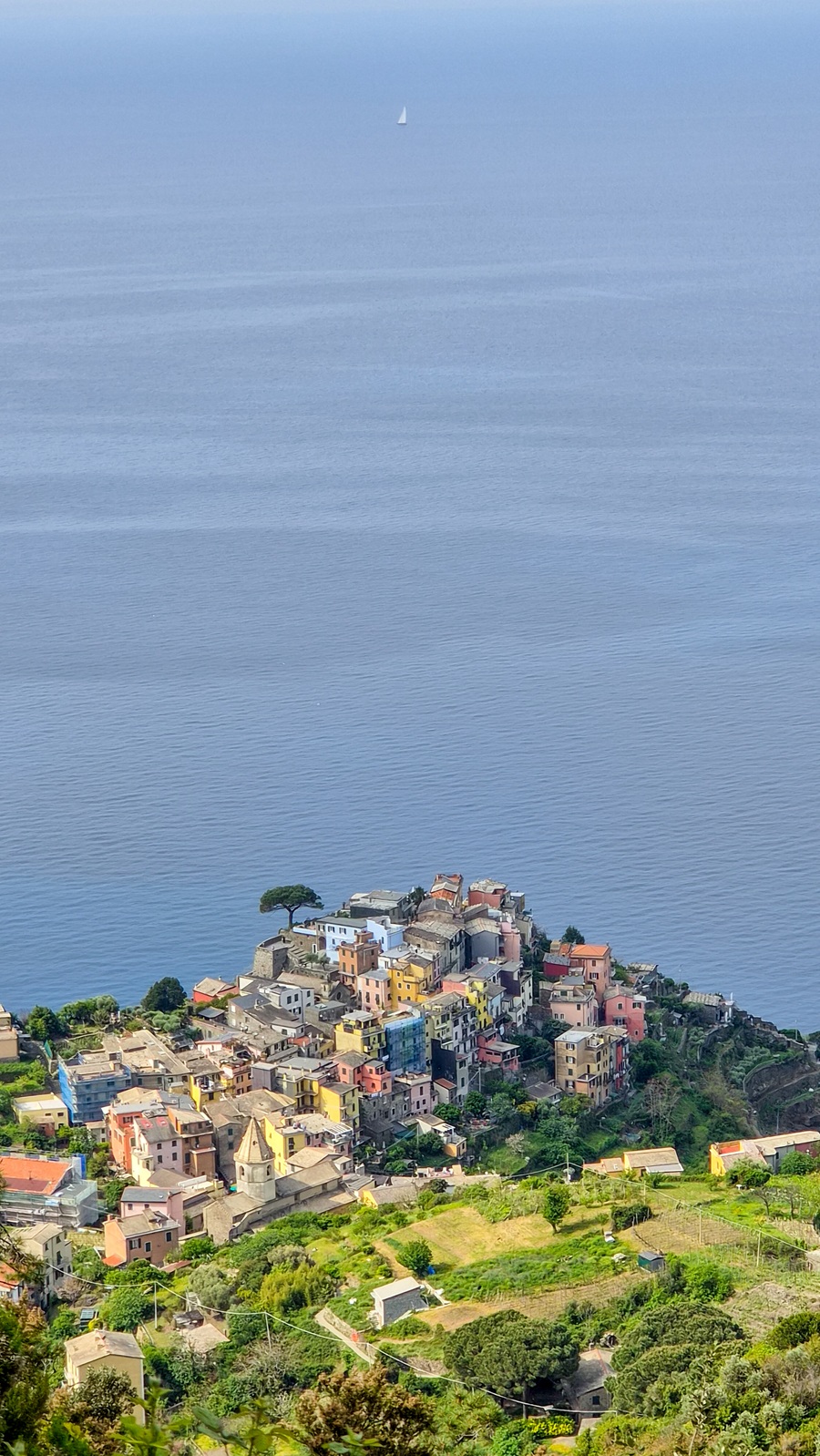
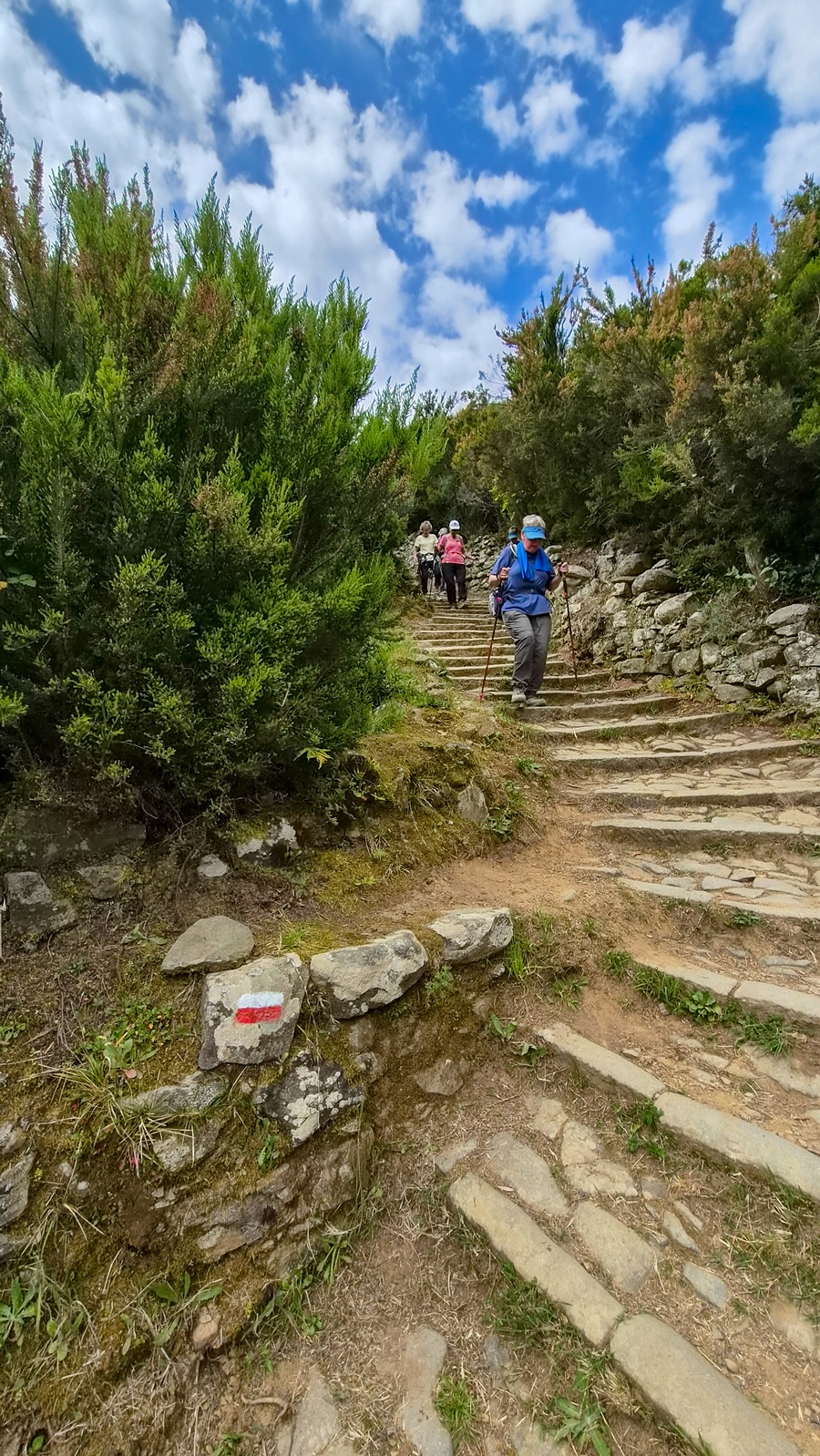
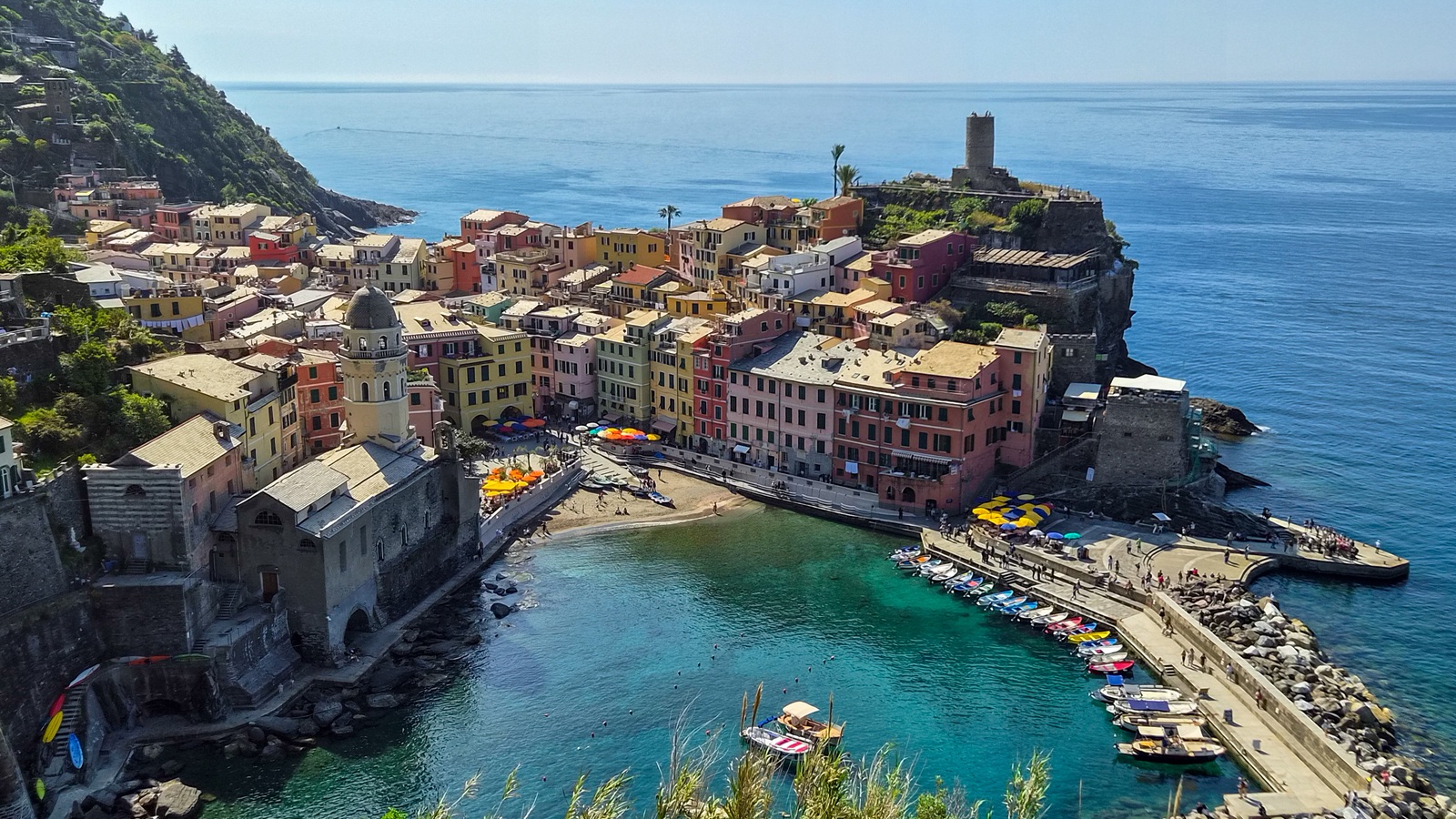
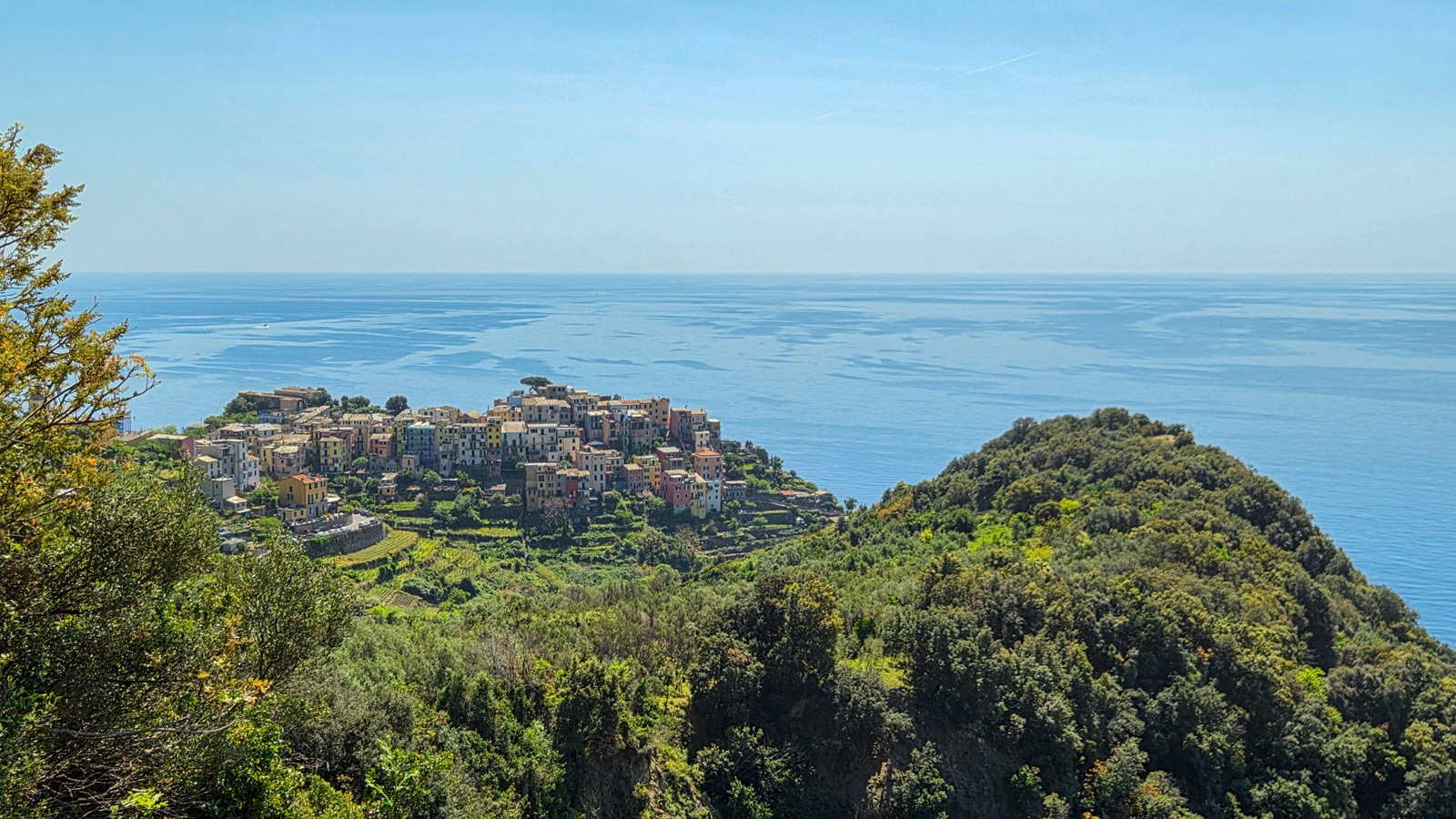
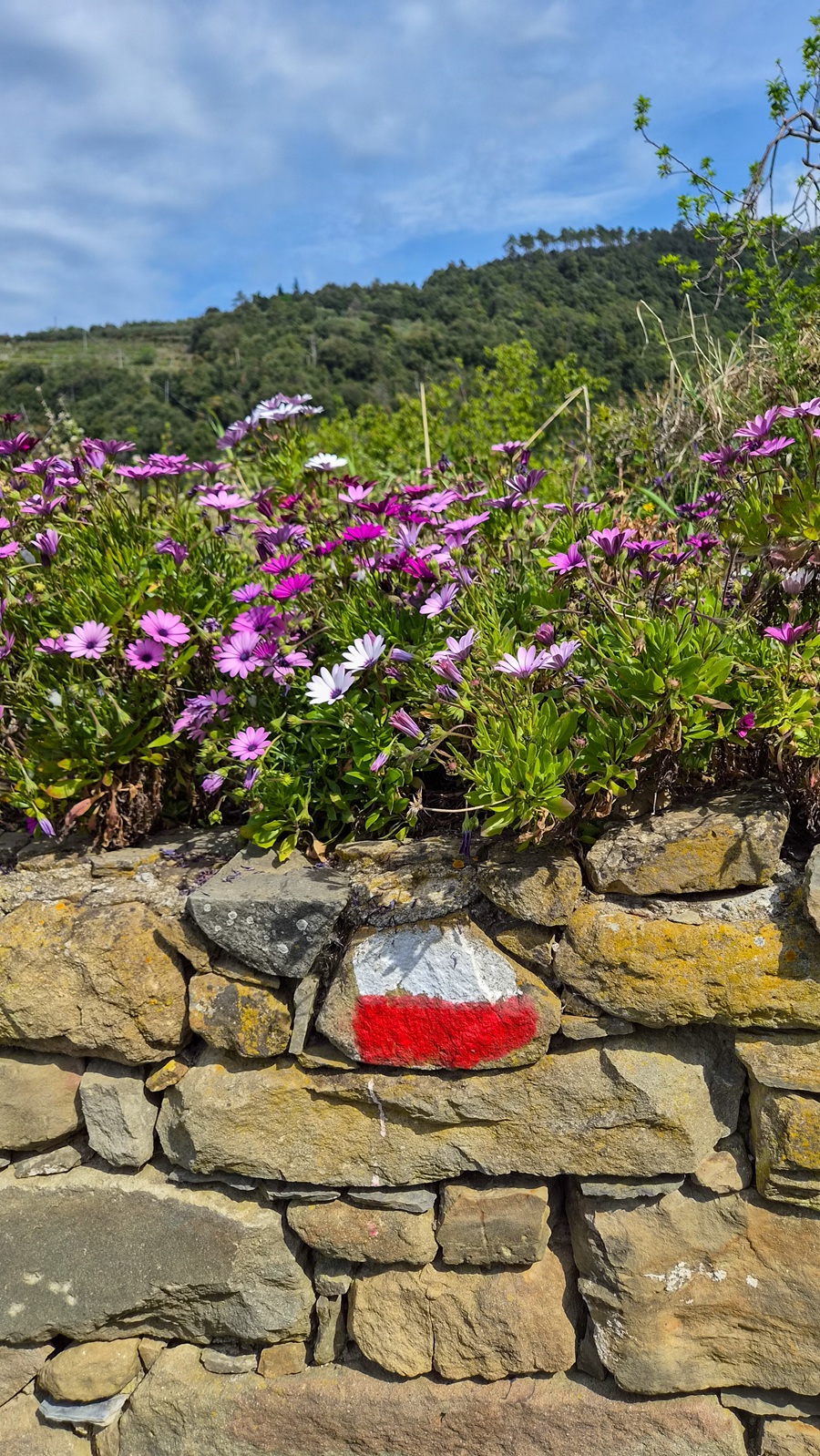
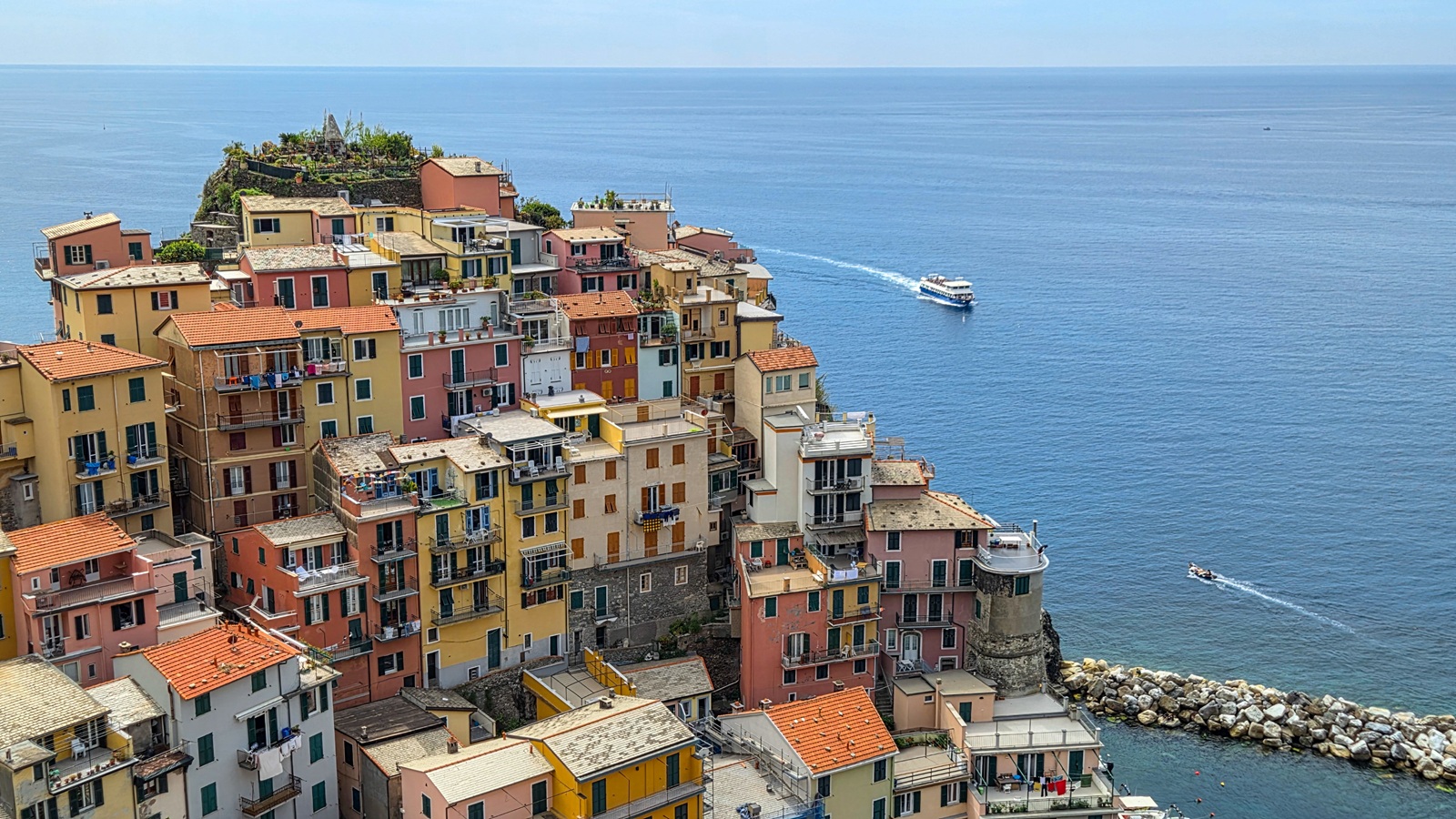
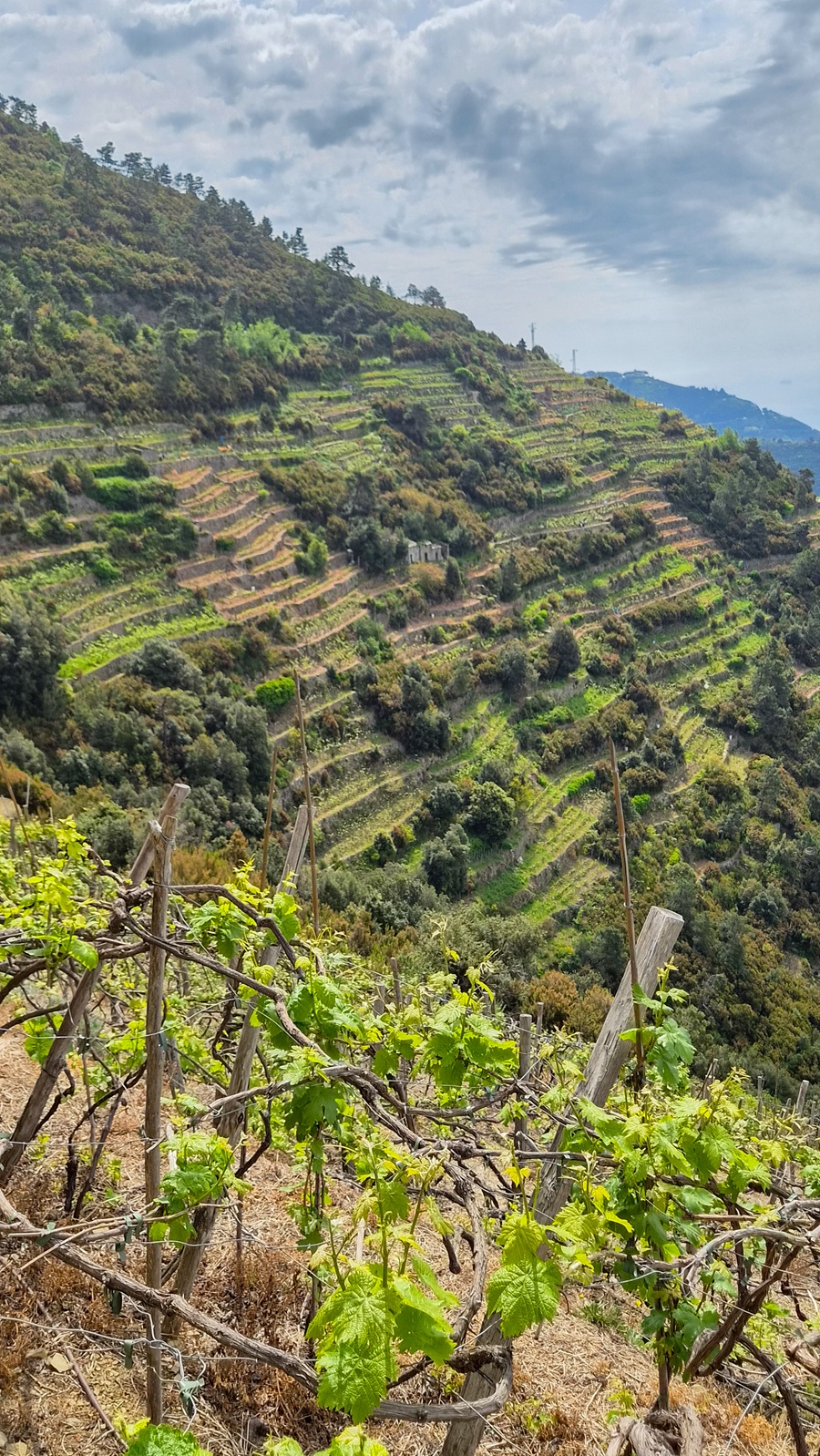
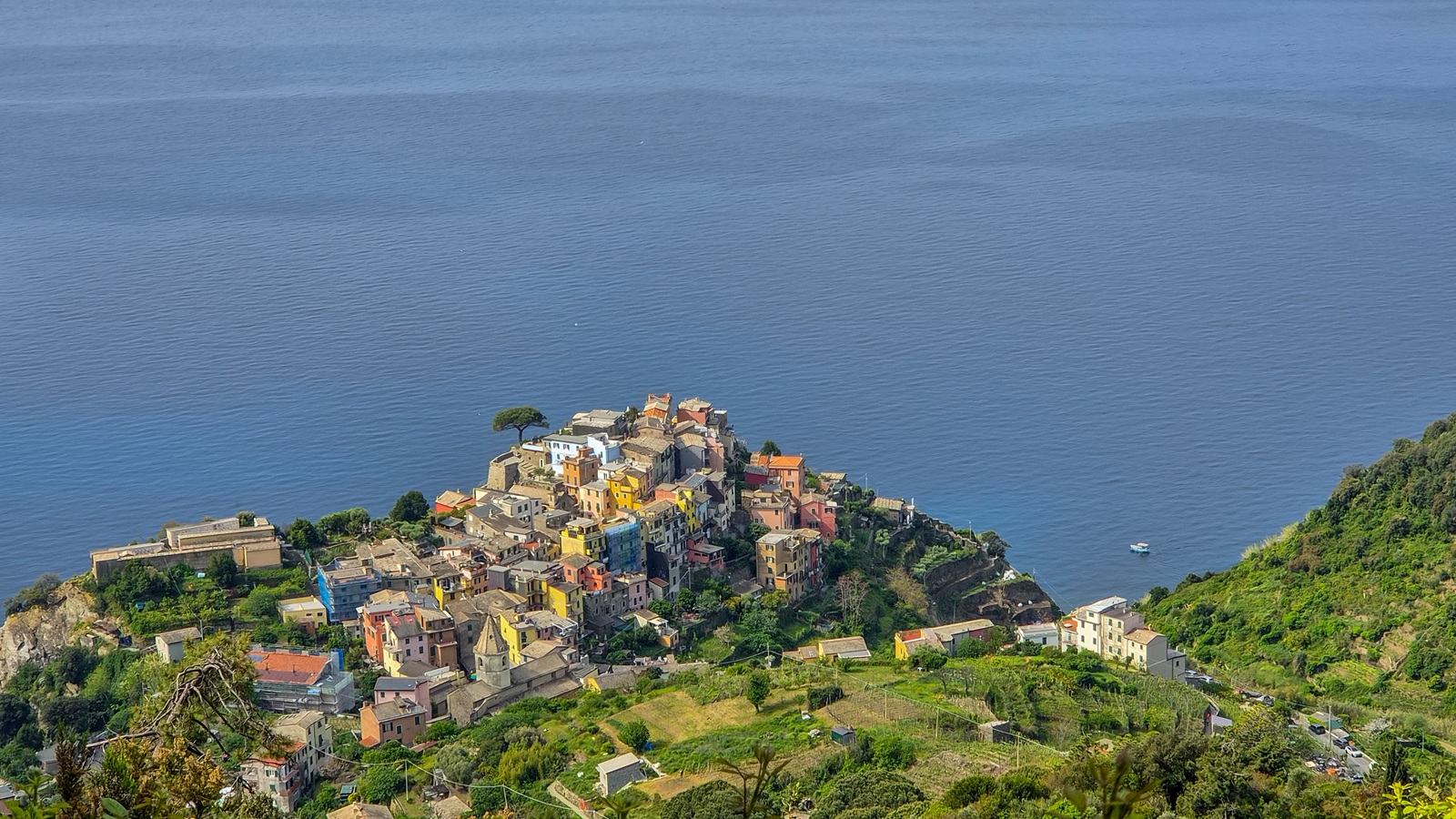
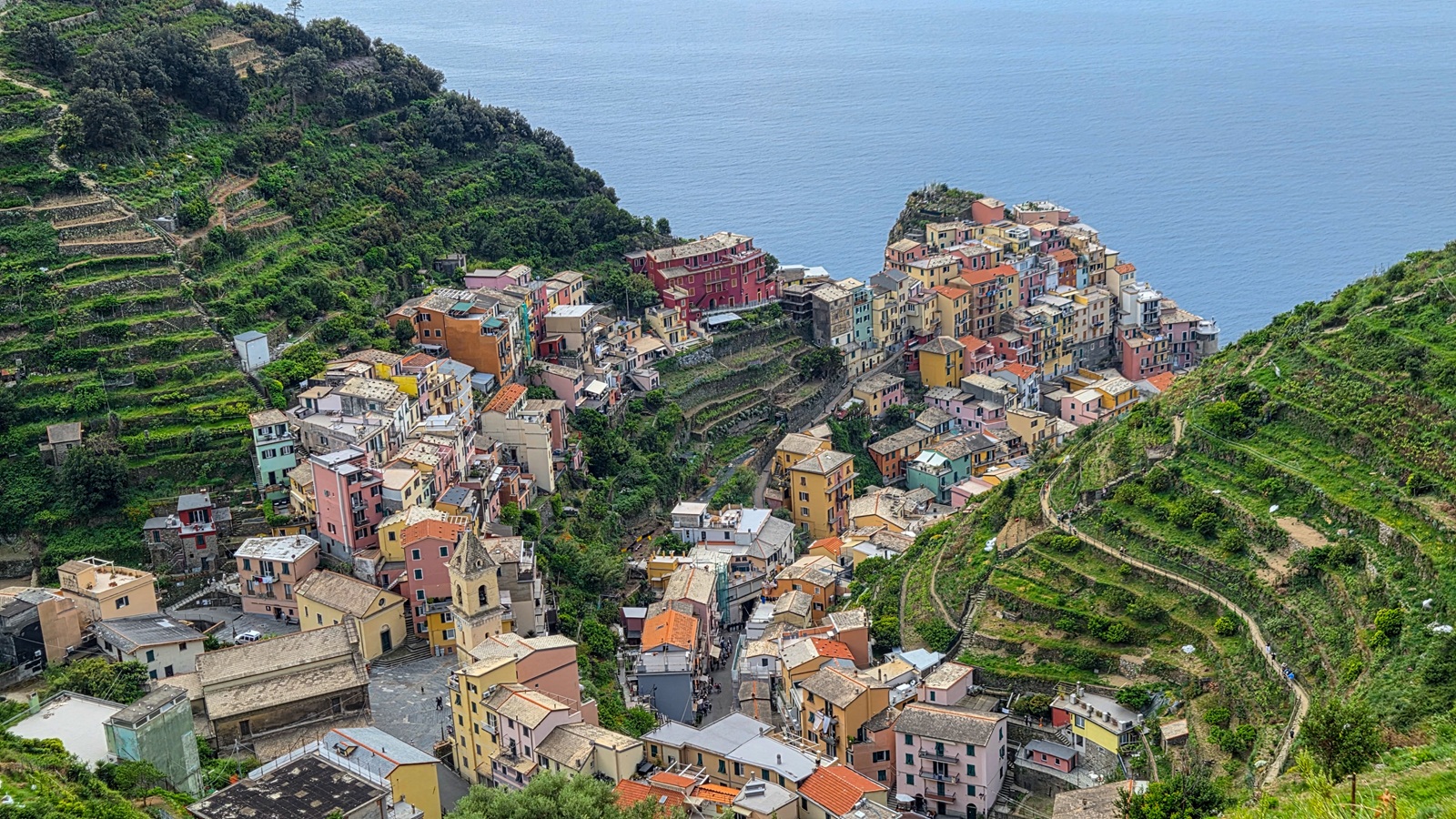
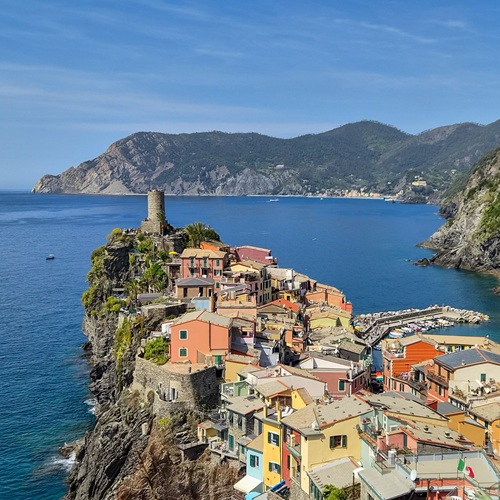
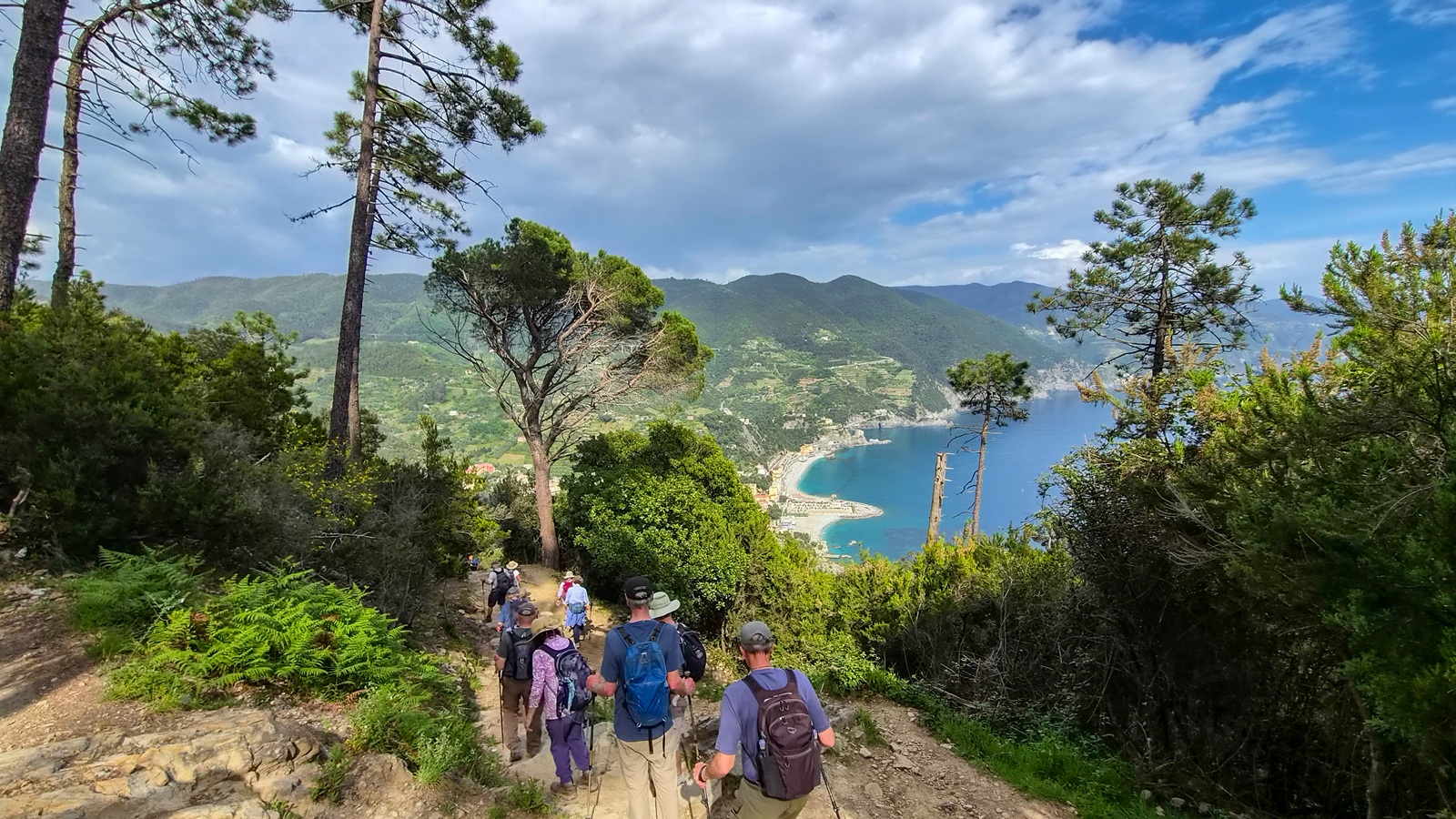
The final chapter of the trip took us to the coast, to the dramatic landscapes of Cinque Terre. The change in scenery was striking, from rolling hills to steep cliffs plunging into the sea, from quiet farmland to vibrant, colorful villages clinging to the rock. Over three days, we hiked from village to village along narrow coastal paths. The trails were more demanding here, with constant climbs and descents, but every effort was rewarded with views that made you stop mid-step. Terraced vineyards carved into the cliffs, fishing boats far below, and endless shades of blue stretching to the horizon.
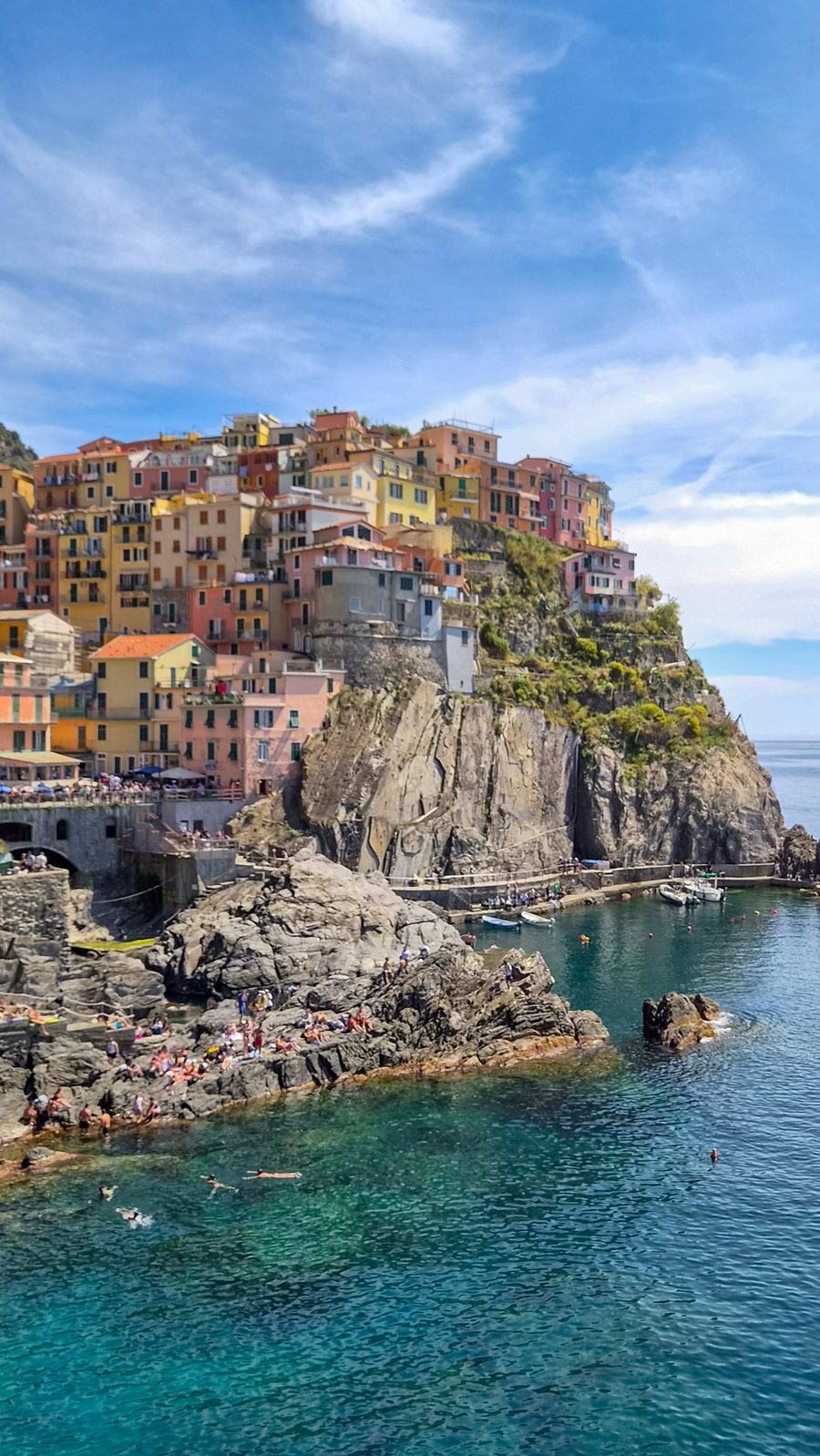
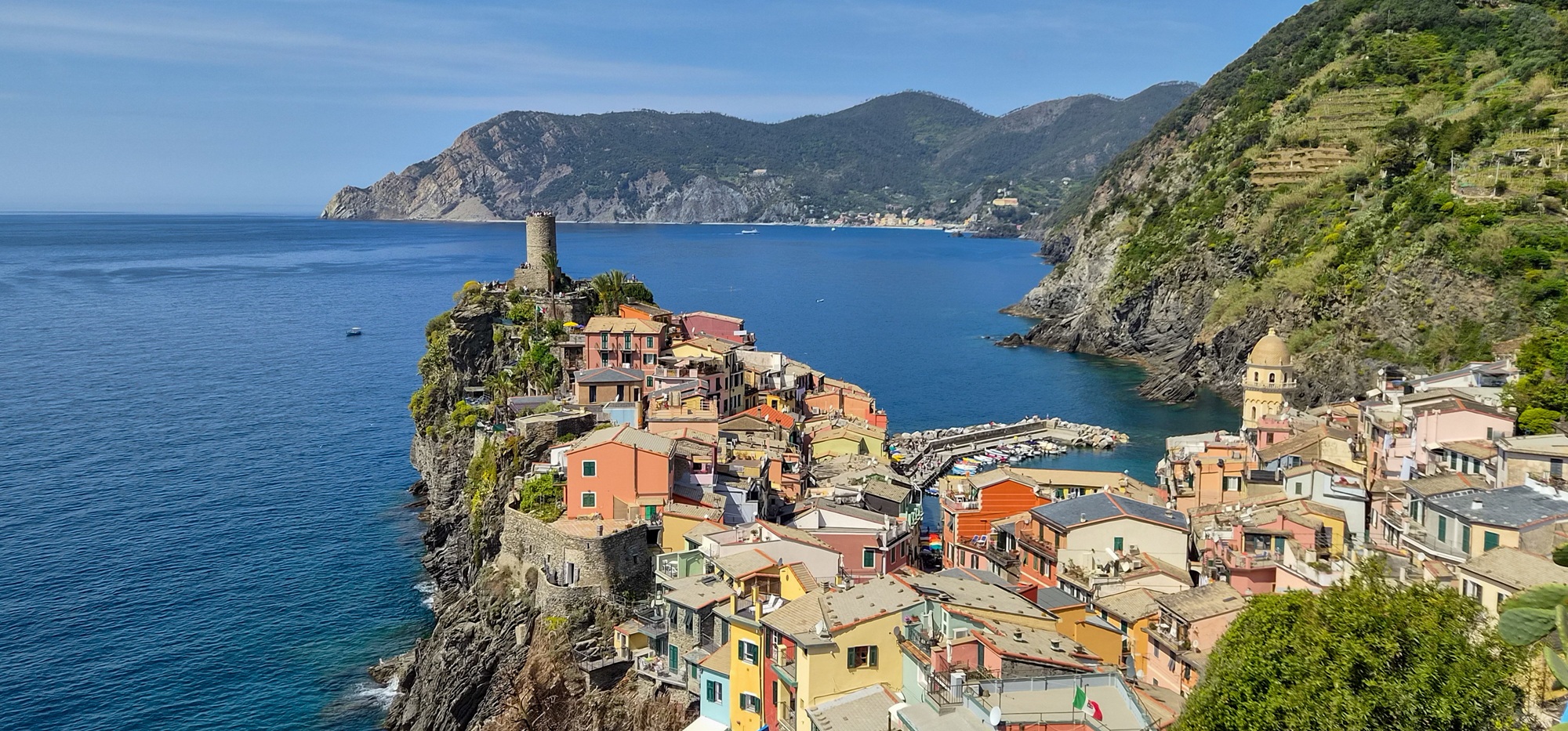
One of the highlights of the journey was arriving in Manarola, a moment that stays with you. The village rises steeply from the sea, with colorful houses stacked closely along the cliffs and overlooking the water. It is a compact place, connected by narrow paths and stairways that wind through the buildings, with constant views of the coastline from almost every angle.
Looking back, this journey wasn’t just about the destinations, it was about the transitions between them. From the ancient layers of Rome, to the quiet, open landscapes of Tuscany, and finally to the rugged beauty of the Ligurian coast, each stage revealed a different side of Italy.
Gallery